609 Main St, Sparkill, NY 10976



Many patients in Sparkill sit up after a cleaning and expect a dramatically whiter smile. Sometimes that happens — but sometimes it doesn’t. Understanding which stains a cleaning removes and which ones require a different approach helps you walk in with the right expectations. This guide from Dr. Fanny Shaulov Vainer at Sparkill Dental breaks it all down clearly.
What a Dental Cleaning Actually Does to Stains
A Dental Cleaning And Examination removes two specific things: plaque and tartar. Plaque is a soft bacterial film that forms daily on teeth. Tartar is hardened plaque that only a dental instrument can break apart.
During your cleaning, your hygienist uses special tools to scale away tartar and polish tooth surfaces. That polishing step buffs away surface-level discoloration. It is not the same as whitening treatment.
Think of it like washing a car. You remove dirt and grime, but scratches in the paint remain. A cleaning clears the surface — it does not change the inner color of your teeth.
Stains Your Cleaning Can Remove in Sparkill
Surface stains, called extrinsic stains, sit on the outer layer of your tooth enamel. These respond very well to professional cleaning. If you have these, a cleaning may genuinely brighten your smile.
Common extrinsic stains that cleanings can address include:
- Coffee and tea discoloration on enamel surfaces
- Red wine residue that has not deeply penetrated enamel
- Light tobacco staining caught early
- Food pigments from berries, tomato sauce, or dark sodas
- Soft plaque buildup that has taken on color from food
These stains respond to the polishing paste used at the end of your cleaning. The abrasive texture gently lifts surface pigment. You may notice your teeth look noticeably cleaner after your appointment.
The key word here is surface. If staining has only been building up for a short time, a cleaning can do a lot. Regular six-month visits help prevent surface stains from deepening over time.
Stains That a Cleaning Cannot Fix
Some discoloration lives inside the tooth structure itself. These are called intrinsic stains. No polishing tool can reach them. This is where patients sometimes feel disappointed — and where realistic expectations matter most.
Intrinsic stains that a cleaning cannot remove include:
- Yellowing caused by natural aging of dentin beneath enamel
- Stains from tetracycline or other antibiotics taken during tooth development
- Fluorosis — white spots or brown patches from excess fluoride in childhood
- Discoloration from old composite fillings or dental restorations
- Staining from trauma or nerve damage inside a tooth
- Deep tobacco staining that has penetrated into enamel over many years
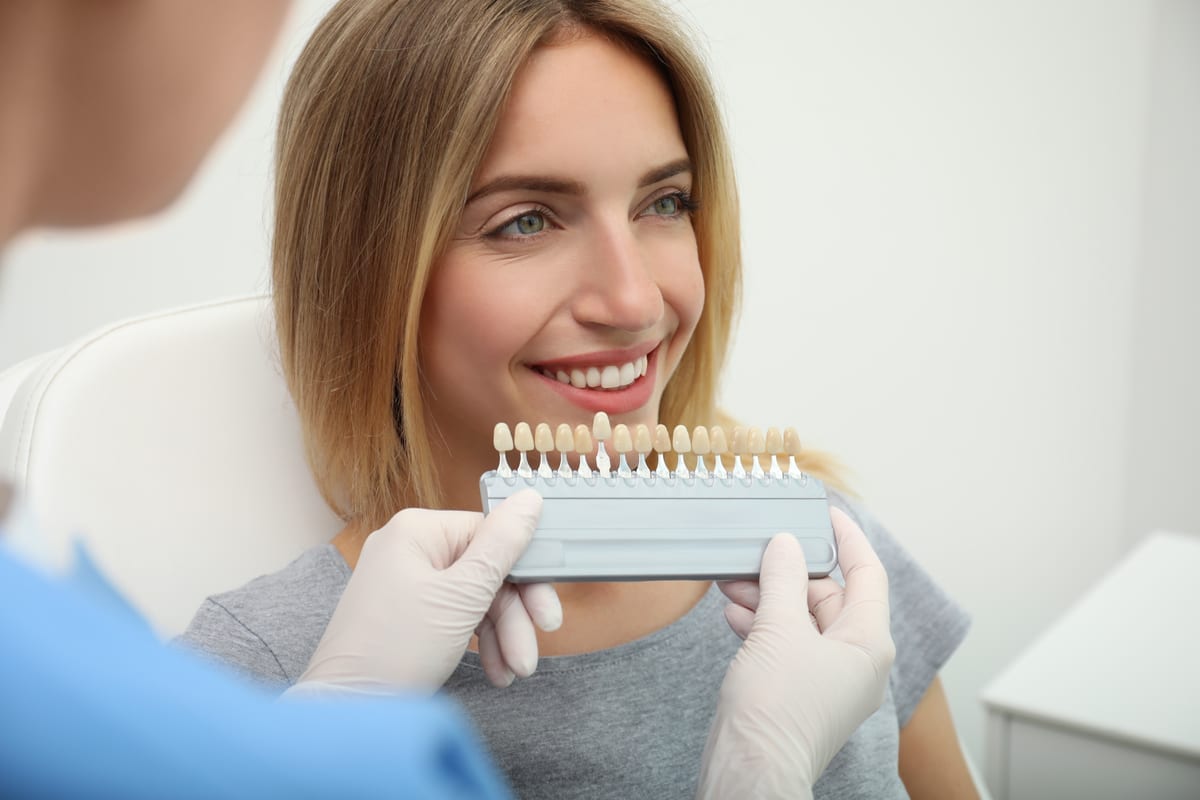
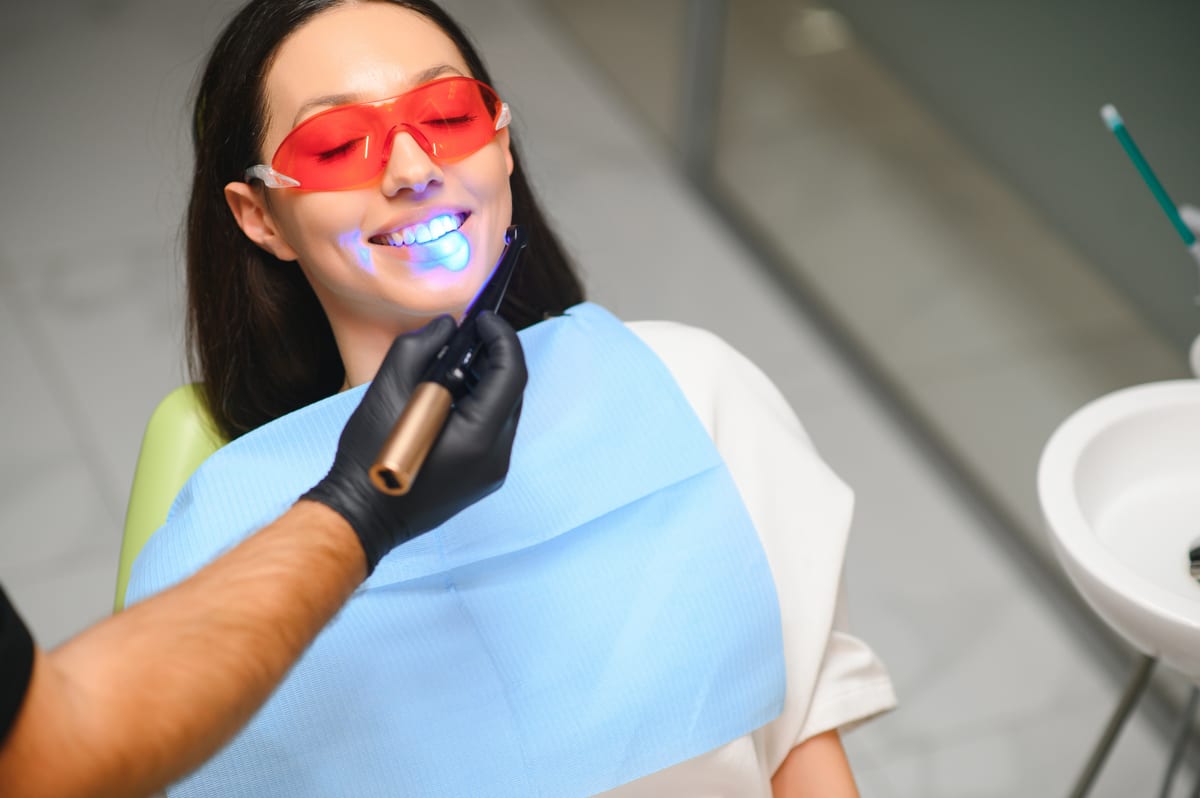
For these situations, professional whitening is the next step. Dr. Shaulov Vainer can discuss which options make sense for your specific staining type. Not every stain responds equally well to whitening either, so a proper exam is always the starting point.
When a Restoration Is the Real Answer
Sometimes discoloration points to a deeper dental issue. A single dark tooth, for example, may signal internal damage or a failing old filling. In those cases, the solution is not cleaning or whitening — it is restorative care.
Ceramic crowns can cover severely stained teeth and restore their natural appearance. Composite fillings replace old, stained silver fillings with tooth-colored material. For patients with missing or damaged teeth affecting their smile, Dental Implant Restorations offer a longer-term solution that blends naturally with surrounding teeth.
Identifying which path is right for you starts with a full examination. Dr. Shaulov Vainer evaluates the cause and depth of any discoloration before recommending next steps. Treating the underlying cause always produces better results than chasing the symptom.
How to Maintain Results After Your Cleaning
Once your cleaning removes surface stains, you can slow their return with simple daily habits. Your hygiene routine at home plays a significant role in how quickly staining rebuilds.
Practical tips to protect your clean smile include:
- Brush twice daily with a soft-bristled toothbrush
- Rinse your mouth with water after coffee, tea, or wine
- Use a straw when drinking deeply pigmented beverages
- Floss daily to remove plaque before it hardens into tartar
- Schedule cleanings every six months to prevent stain buildup
Consistent home care makes each professional cleaning more effective. Patients who brush and floss regularly come in with far less tartar — and often leave with a brighter result. Small daily habits add up over time.
Setting Realistic Expectations Before Your Visit
It helps to tell your hygienist exactly what you are hoping to see. If you want a brighter smile beyond what a cleaning can offer, that conversation belongs in the exam room before the appointment ends. Dr. Shaulov Vainer and the team at Sparkill Dental take time to listen to what patients want and explain what is actually achievable.
Surface stains your cleaning can remove in Sparkill will often be gone after one appointment. Deeper staining may require a follow-up plan. Either way, you leave with a cleaner, healthier mouth — and a clear roadmap for what comes next.
Honesty is a core part of care at Sparkill Dental. We never overpromise results, and we always explain your options thoroughly before any treatment begins. Book Now to schedule your appointment with our team.
Frequently Asked Questions
Will my teeth look whiter after a regular cleaning?
They may look cleaner and slightly brighter if you had surface staining from coffee, tea, or food. However, a cleaning does not change the underlying color of your teeth. For true whitening results, a separate whitening treatment is needed.
How often should I come in for a cleaning to prevent stains?
Most patients benefit from a professional cleaning every six months. If you drink coffee or tea daily or use tobacco, your dentist may recommend more frequent visits to keep surface staining under control.
Can whitening remove all types of tooth stains?
No. Whitening works best on extrinsic stains and some age-related yellowing. Stains caused by antibiotics, trauma, or fluorosis often do not respond fully to whitening. A dental exam helps determine which treatments will actually work for your specific situation.
What causes teeth to look yellow even with good brushing habits?
Natural aging causes the dentin layer beneath enamel to darken over time. This intrinsic yellowing is not caused by poor hygiene — it is a normal part of aging. Whitening treatments can address this, though results vary by individual.
Is there anything a dentist can do for stains that don’t respond to whitening?
Yes. Options include ceramic crowns, composite bonding, or veneers, depending on the severity and location of the staining. Dr. Shaulov Vainer will assess your specific situation and recommend the most conservative effective option available.

New Patients & Emergency Appointments Welcome