609 Main St, Sparkill, NY 10976

Many Sparkill patients skip fluoride treatment thinking it saves money. It feels like a minor add-on during a routine visit. But over a decade, that small decision compounds into something much more expensive. If you’ve ever wondered what skipping fluoride treatment actually costs in Sparkill, the answer might surprise you.
This article breaks down the real numbers. We compare consistent preventive care against the cost of doing nothing. The math tells a clear story — and it’s one every Sparkill resident should read before their next dental visit.
What Fluoride Treatment Actually Does for Your Teeth
Fluoride strengthens tooth enamel at the microscopic level. It remineralizes areas weakened by acid from food and bacteria. This process actively reverses early decay before it becomes a cavity. Think of it as a shield your teeth get rebuilt with twice a year.
Without fluoride, enamel slowly erodes. Bacteria find it easier to penetrate weakened enamel. Small vulnerabilities grow into full cavities over months and years. By the time you feel pain, the damage is often significant and costly.
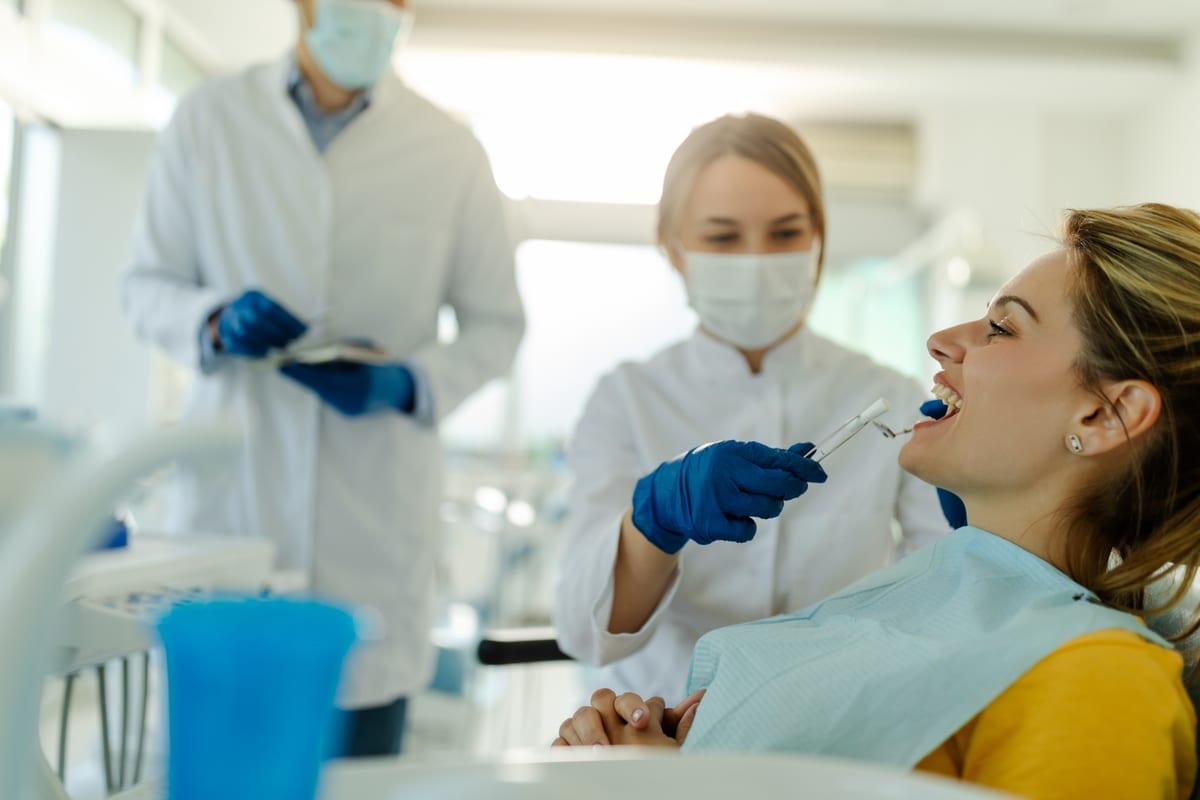
Fluoride treatment typically takes just a few minutes during a Dental Cleaning And Examination visit. It is non-invasive, painless, and highly effective. The benefits accumulate with every consistent application over time.
The 10-Year Cost of Skipping Fluoride in Sparkill
Let’s look at what consistent preventive care costs over 10 years. A standard fluoride treatment runs approximately $25–$50 per visit. Two visits per year adds up to $500–$1,000 over a decade. That is the preventive investment we’re talking about.
Now consider what skipping it often leads to. A single composite filling costs between $150 and $300 per tooth. A ceramic crown, when decay progresses further, can run $1,000 to $1,500. A tooth lost entirely to untreated decay may require more advanced restoration work.
Here is a realistic cost breakdown for a patient who skips fluoride over 10 years:
- 2–3 cavities requiring composite fillings: $300–$900
- 1 tooth progressing to a crown: $1,000–$1,500
- Possible root canal before the crown: $700–$1,200
- Tooth loss leading to a bridge or implant restoration: $3,000–$5,000+
- Total potential cost: $5,000–$8,600 or more
Compare that to $500–$1,000 spent on fluoride over 10 years. The difference is not marginal. It is substantial — and entirely preventable for most patients.
Why Sparkill Patients Skip Preventive Care (And Why It Backfires)
Skipping fluoride often comes down to a few common reasons. Some patients feel their teeth look fine and see no urgency. Others want to keep each appointment as short as possible. A few simply don’t understand what fluoride does beyond childhood use.
Adults need fluoride just as much as children do. Enamel continues to face acid exposure throughout life. Gum recession in older adults can expose root surfaces that decay more quickly. Fluoride helps protect those vulnerable areas at every age.
The backfire happens gradually and quietly. Decay doesn’t announce itself with immediate pain. By the time discomfort signals a problem, the tooth often needs more than a simple filling. Early prevention is always less invasive and less expensive than late-stage treatment.
Benefits of maintaining consistent fluoride treatment include:
- Reduced risk of cavities between dental visits
- Slower enamel erosion from acidic foods and drinks
- Protection for exposed root surfaces
- Lower likelihood of needing crowns or root canals
- Long-term cost savings over 5 to 10 years
When Skipping Goes Too Far: Advanced Restorations
Some patients come to Sparkill Dental after years of skipping preventive care. The teeth they arrive with tell a decade-long story of avoided appointments. By that stage, fillings alone may not be enough. Crowns, bridges, and sometimes implants become necessary.
Dental Implant Restorations are one of the most effective ways to replace a lost tooth. They look and function like natural teeth. But they are also one of the most significant dental investments a patient can make. Prevention is always the better financial and clinical path.
Dr. Fanny Shaulov Vainer sees this pattern regularly at Sparkill Dental. Patients who stay consistent with preventive care rarely need advanced restorations in their 40s or 50s. Those who skip tend to face more complex treatment earlier than expected. The trajectory is predictable — and preventable.
How to Get Back on Track at Sparkill Dental
If you’ve been skipping preventive visits, starting now still makes a meaningful difference. Early decay caught today costs far less than decay caught next year. Fluoride applied at your next visit begins protecting your enamel immediately. You don’t need to start from zero — you just need to start.
At Sparkill Dental, Dr. Shaulov Vainer takes a patient-first educational approach. She explains what she finds, what it means, and what options exist. You leave each visit with a clear picture of your oral health. There are no surprises, just honest guidance.
Preventive care at our practice includes cleaning, exams, fluoride treatment, and oral cancer screening. Every visit is designed to catch problems early and keep costs down over time. Serving Sparkill, NY and surrounding communities, we make it straightforward to stay on track. Book Now to schedule your appointment with our team.
Frequently Asked Questions
Is fluoride treatment only for children?
No. Adults benefit from fluoride treatment throughout their lives. Adult enamel continues to face acid exposure from food and beverages. Gum recession also exposes root surfaces that are particularly vulnerable to decay. Fluoride helps protect teeth at every stage of life.
How often should I get fluoride treatment as an adult?
Most adults benefit from fluoride treatment twice a year during regular dental visits. Patients with higher cavity risk may be recommended more frequent applications. Dr. Shaulov Vainer will assess your individual needs during your exam and make a personalized recommendation.
Can fluoride treatment reverse existing cavities?
Fluoride can reverse very early-stage decay, known as demineralization, before it becomes a full cavity. Once a cavity has fully formed through the enamel, a filling is needed. This is exactly why consistent early treatment is so valuable — it stops small problems before they require major intervention.
What does a fluoride treatment involve at a dental visit?
Fluoride treatment is quick and completely painless. A concentrated fluoride gel, foam, or varnish is applied directly to the teeth. The process typically takes just a few minutes at the end of your cleaning appointment. You may be asked to avoid eating or drinking for 30 minutes afterward to allow full absorption.
How does skipping fluoride connect to needing crowns or implants later?
Untreated decay progresses through the enamel and into the deeper layers of the tooth. When decay reaches the inner pulp, a root canal and crown become necessary. If the tooth cannot be saved, extraction and a replacement restoration like an implant may be required. Consistent fluoride treatment reduces the likelihood of reaching those advanced stages.

New Patients & Emergency Appointments Welcome