609 Main St, Sparkill, NY 10976

Most Tappan families skip dental sealants because they seem optional. They look at the upfront cost and decide to pass. But the 10-year math tells a very different story. Skipping preventive care now almost always leads to paying thousands more later — and understanding that gap changes everything.
Dr. Fanny Shaulov Vainer at Sparkill Dental works with patients from Tappan every day. She sees the same pattern repeat: small, preventable problems become expensive, painful ones. This article breaks down exactly what that costs — in real numbers.
What Dental Sealants Actually Cost in Tappan
Dental sealants are thin, protective coatings applied to back teeth. They block bacteria from settling into grooves where cavities form most often. The procedure is quick, painless, and highly effective.
For most patients, sealants cost between $30 and $60 per tooth. A full set of four molars typically runs $120 to $240 total. That one-time investment protects teeth for up to 10 years with proper care.
Compare that to doing nothing. Without sealants, back teeth are highly vulnerable to decay. The costs that follow are not small. They compound quietly — year after year — until a patient faces a very large bill.
The 10-Year Math: Skipping vs. Protecting
Here is where the numbers become impossible to ignore. Let’s walk through two realistic 10-year scenarios for a Tappan patient.
Scenario A — Preventive Care Patient:
- Dental sealants (4 teeth): $180 one time
- Two Dental Cleaning And Examination visits per year: roughly $300 annually
- Fluoride treatments twice yearly: approximately $60 annually
- 10-year total: roughly $3,780
Scenario B — No Preventive Care Patient:
- Two to four cavities filled over 10 years: $600–$1,200
- One cracked molar requiring a ceramic crown: $1,200–$1,800
- One tooth lost to decay needing a dental implant restoration: $3,000–$5,000
- Emergency visits and pain management: $400–$800
- 10-year total: $5,200–$8,800 or more
The gap between those two scenarios is staggering. The patient who invested in prevention spent roughly half as much — and experienced far less pain along the way.
Why Tappan Patients Underestimate Decay Risk
Many people believe they brush well enough to skip sealants. This is one of the most common and costly misconceptions in dental health. Toothbrush bristles cannot fully reach the deep grooves of molars. Bacteria hide there and slowly create cavities — often with no symptoms until damage is significant.
Tappan residents also tend to wait until something hurts before scheduling an appointment. Tooth decay rarely causes pain in early stages. By the time pain arrives, the problem has usually progressed to the point where a filling is no longer enough.
A cracked or decayed tooth may then require a crown, a root canal, or even extraction. Each of those outcomes is dramatically more expensive than a sealant applied years earlier. The math is not subtle — it is decisive.
What Happens When a Tooth Is Lost Without Intervention
Losing a tooth is not just a cosmetic problem. It creates a chain reaction of dental health issues. Neighboring teeth begin to shift into the empty space. Bone loss occurs beneath the gumline where the root once sat.
Restoring a lost tooth with Dental Implant Restorations is one of the best long-term solutions available. Implants preserve bone and function like natural teeth. However, a single implant restoration typically costs between $3,000 and $5,000.
That single expense alone exceeds the entire 10-year cost of consistent preventive care. This is the real price of skipping sealants and routine visits. Prevention is not just healthier — it is dramatically more affordable.
How Sparkill Dental Helps Tappan Patients Stay Ahead
Dr. Fanny Shaulov Vainer takes a proactive approach with every patient. At Sparkill Dental, the goal is to catch small issues before they become expensive ones. Every exam includes a thorough assessment of cavity risk and sealant candidacy.
Sealants are especially recommended for children and teens. However, adults with deep molar grooves benefit significantly as well. Many adult patients in Tappan who never received sealants as children are still excellent candidates today.
Beyond sealants, the practice offers fluoride treatments, oral cancer screenings, nightguards, and full restorative care. Every service is designed to protect your smile at the lowest possible long-term cost. Prevention is always the most affordable path forward.
Making the Decision That Saves You Money
The 10-year math is clear for Tappan patients. Investing a few hundred dollars in sealants and routine care today prevents thousands in restorative treatment later. This is not a hypothetical — it is a pattern Dr. Shaulov Vainer witnesses every week in her practice.
The best time to get sealants is before decay begins. Once a cavity forms in a groove, sealants can no longer be placed over it. Acting early is the only way to take full advantage of this simple, powerful prevention tool.
Your teeth are meant to last a lifetime. Give them the protection they deserve — starting now. Book Now to schedule your appointment with our team.
Frequently Asked Questions
Are dental sealants only for children?
No — adults benefit from sealants too. Any patient with deep grooves in their back teeth is a candidate. Dr. Shaulov Vainer evaluates each patient individually to determine whether sealants make sense at their current stage of oral health.
How long do dental sealants last?
Dental sealants typically last between 5 and 10 years. They are checked at every routine visit and can be reapplied if worn down. With proper care, they provide long-lasting protection against one of the most common causes of tooth decay.
Do sealants hurt to apply?
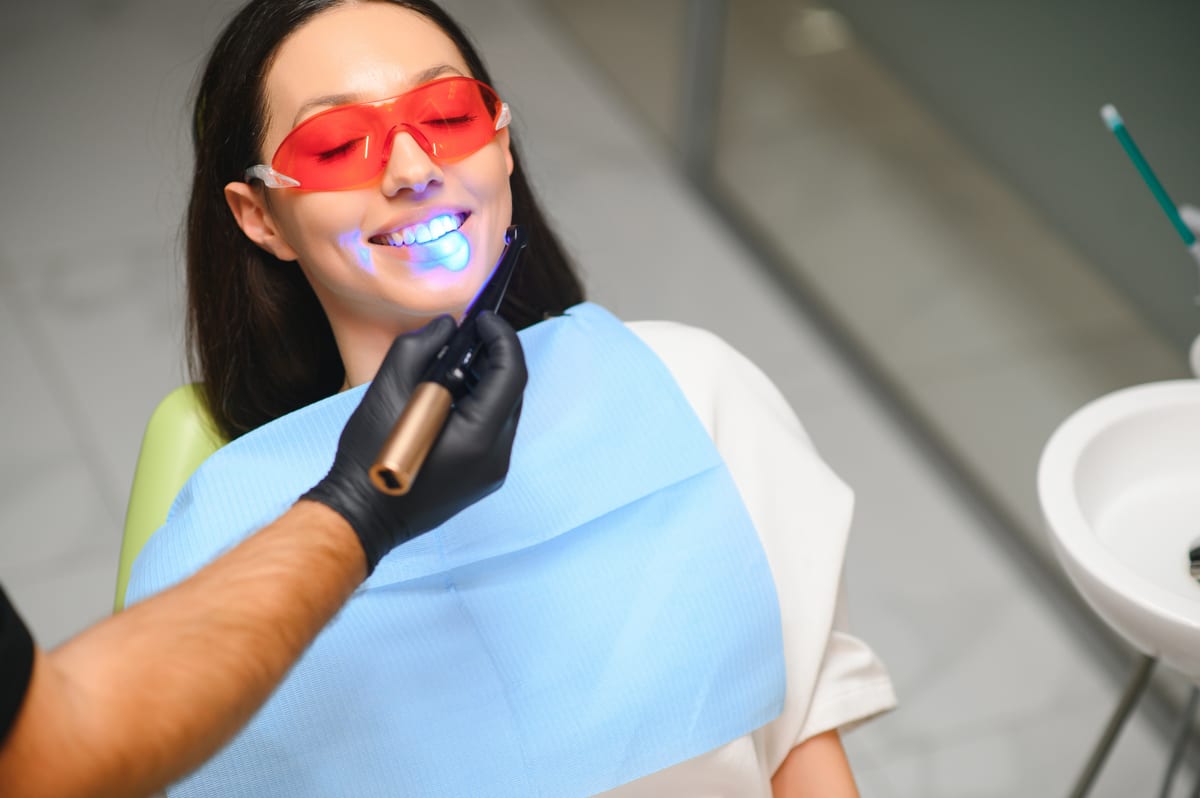
Not at all. Sealant application is completely painless and requires no drilling or numbing. The dentist cleans and dries the tooth, applies the sealant liquid, and then hardens it with a curing light. The entire process takes just a few minutes per tooth.
What if I already have a small cavity — can I still get sealants?
Sealants cannot be placed over active decay. However, the cavity can be treated first with a composite filling, and then sealants can protect surrounding healthy teeth. Addressing both issues together is a smart, cost-effective strategy.
How does skipping cleanings make decay worse over time?
Routine cleanings remove hardened tartar that brushing cannot eliminate. When tartar builds up along the gumline and in grooves, it accelerates decay and gum disease. Skipping visits allows these problems to silently worsen — increasing both treatment complexity and cost over time.

New Patients & Emergency Appointments Welcome