609 Main St, Sparkill, NY 10976


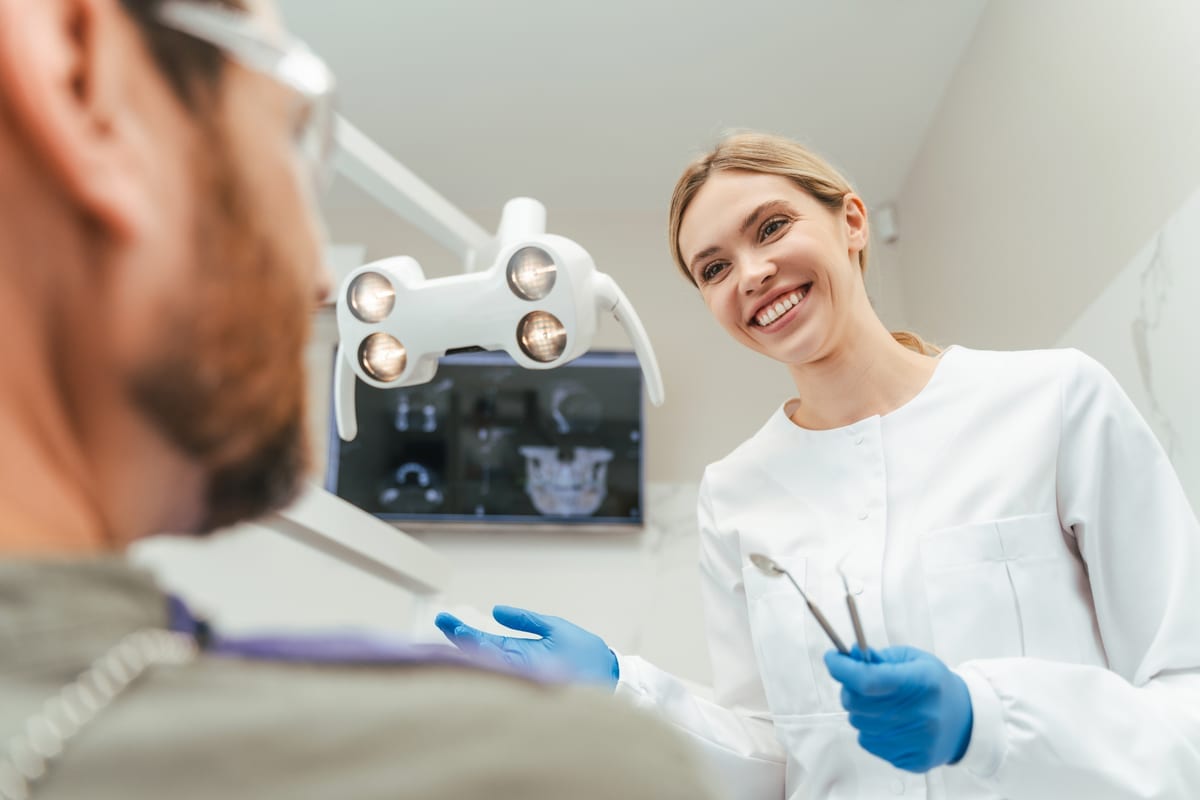
If you have ever sat in the dental chair wondering what your hygienist is actually doing, you are not alone. Understanding what your hygienist is actually looking for during your cleaning in Sparkill can make the whole experience feel less mysterious. At Sparkill Dental, Dr. Fanny Shaulov Vainer and our hygiene team believe an informed patient is a healthier patient. Every tool, every probe, and every rinse serves a specific purpose — and we want you to know what that purpose is.
Step One: Your Medical History and Oral Health Check-In
Before any instruments come out, your hygienist starts with a conversation. They review your medical history and ask about any changes since your last visit. Certain medications and health conditions directly affect your oral health. This step helps our team personalize your appointment from the very first moment.
Your hygienist then does a quick visual scan of your mouth. They look for obvious signs of swelling, redness, or anything that looks out of place. This initial look gives them a baseline before they dive deeper. It also helps them decide which areas may need extra attention during the cleaning.
What Your Hygienist Is Looking for During the Examination Phase in Sparkill
One of the most important tools your hygienist uses is a small probe. This thin instrument measures the depth of the pockets between your teeth and gums. Healthy pockets measure between one and three millimeters. Numbers higher than that can signal early gum disease, which needs prompt attention.
Your hygienist calls out these numbers to the dental assistant, who records them in your chart. Do not let those numbers alarm you — they are just data points. Tracking them over time helps the team catch gum disease early. Early detection means simpler, less invasive treatment.
During this phase, your hygienist is also watching for:
- Bleeding gums, which often signal inflammation
- Recession where gum tissue has pulled away from teeth
- Loose or shifting teeth that suggest bone loss
- Unusual spots or lesions on soft tissue
Soft tissue checks are especially important because they connect directly to your overall health. Our team performs an oral cancer screening at every visit. Catching abnormalities early dramatically improves outcomes for patients.
The Cleaning Tools: What Each One Actually Does
Many patients grip the armrests when they hear the scaler scraping against their teeth. That tool is doing important work. The scaler removes hardened tartar, also called calculus, that your toothbrush simply cannot reach. Tartar buildup is a breeding ground for the bacteria that cause cavities and gum disease.
Some patients qualify for an ultrasonic scaler instead. This device uses vibration and a gentle water spray to break up tartar deposits. It is especially effective for heavier buildup around the gum line. Your hygienist will choose the right approach based on what they find during your examination.
After scaling, your hygienist uses a polishing handpiece with a gritty paste. This step buffs away surface stains and smooths the enamel. Smooth enamel is harder for plaque to stick to. The result is cleaner teeth that stay cleaner longer between visits.
Here is a quick breakdown of the main instruments your hygienist uses:
- Periodontal probe — measures pocket depth around each tooth
- Scaler or curette — removes tartar above and below the gum line
- Ultrasonic scaler — loosens stubborn deposits with vibration
- Polishing cup — removes surface stains and smooths enamel
- Dental mirror — gives visibility to hard-to-see areas
X-Rays, Fluoride, and What Comes Next
Depending on your history, your hygienist may take digital X-rays during your visit. X-rays reveal what the naked eye cannot see. They show decay between teeth, bone levels, and the roots beneath the gum line. Dr. Shaulov Vainer reviews these images to build a complete picture of your oral health.
After your cleaning, many patients receive a fluoride treatment. Fluoride strengthens enamel and helps prevent cavities from forming. It is quick, painless, and especially helpful for patients who are cavity-prone. Your hygienist will recommend it based on your individual risk level.
Some patients also benefit from dental sealants. These thin coatings protect the grooves of back teeth where decay most often starts. Children frequently receive sealants, but adults can benefit too. Ask your hygienist whether sealants make sense for your situation.
If your hygienist notices signs of grinding or clenching, they may flag you for a nightguard evaluation. Grinding wears down enamel over time and can cause serious structural damage. A custom nightguard protects your teeth while you sleep. Catching this early can prevent the need for more complex restorative work later.
What Happens If Your Hygienist Spots a Problem
Sometimes a cleaning reveals more than just tartar. Your hygienist might notice a cavity forming, a cracked tooth, or signs that a filling is failing. They will document these findings and share them with Dr. Shaulov Vainer. The doctor then reviews everything and discusses next steps with you directly.
In some cases, a deeper cleaning called scaling and root planing may be recommended. This procedure goes below the gum line to remove bacteria from the roots. It is a common and effective treatment for gum disease. Your hygienist will explain exactly what it involves if they believe you need it.
Other findings might point toward restorative options like composite fillings, ceramic crowns, or dental bridges. If tooth loss is already a concern, the team may discuss dental implant restorations or dentures. Every recommendation is based on what your mouth actually needs — not on a one-size-fits-all approach.
Patients who have questions about more advanced treatments, like Root Canal Therapy, can always ask during their visit. Our team takes time to explain every option clearly. You can also explore Invisalign Testimonials from real patients if alignment is something you have been considering. We want you to feel confident about every decision you make for your smile.
Making the Most of Your Cleaning Appointment in Sparkill
Your cleaning appointment is more than a polish and a floss. It is a full health assessment from trained professionals who care about your long-term wellbeing. Coming in every six months gives your hygienist the data they need to track changes over time. Consistency is truly the best preventive tool available to you.
Between visits, your hygienist can coach you on brushing and flossing technique. Small adjustments at home make a big difference in what they find at your next appointment. Do not hesitate to ask questions — that conversation is part of what your appointment is designed for.
At Sparkill Dental, we are proud to serve patients throughout Sparkill, NY with honest, thorough, and compassionate care. Dr. Shaulov Vainer and our hygiene team are here to help you understand every step of the process. Book Now to schedule your appointment with our team.
Frequently Asked Questions
How long does a typical cleaning appointment take at Sparkill Dental?
Most routine cleaning appointments take between 60 and 90 minutes. This includes the examination, scaling, polishing, and time with Dr. Shaulov Vainer. If X-rays or additional screenings are needed, the appointment may run a bit longer. We always let you know what to expect before we begin.
Is it normal for my gums to bleed during a cleaning?
Some bleeding during a cleaning is common, especially if your gums are inflamed. Bleeding often signals the presence of gum disease or heavy plaque buildup. It does not mean something is seriously wrong, but it is something your hygienist will note and monitor. Regular cleanings and good home care usually reduce bleeding over time.
How often should I come in for a cleaning in Sparkill?
Most patients benefit from a professional cleaning every six months. However, patients with gum disease or a higher risk of cavities may need to come in more frequently. Your hygienist and Dr. Shaulov Vainer will recommend the right schedule for your specific needs. Staying consistent with your visits is the best way to protect your oral health.
What is the difference between a regular cleaning and a deep cleaning?
A regular cleaning, also called prophylaxis, removes plaque and tartar above and just below the gum line. A deep cleaning, or scaling and root planing, goes further below the gum line to treat active gum disease. Your hygienist determines which type you need based on your pocket depth measurements. Deep cleanings are usually done in sections and may require a follow-up appointment.
Does the oral cancer screening hurt?
No, the oral cancer screening is completely painless. Your hygienist visually examines your lips, tongue, cheeks, and throat for any unusual spots or changes. The whole process takes just a few minutes and requires no special instruments. Early detection is one of the most important reasons to keep your regular dental appointments.

New Patients & Emergency Appointments Welcome