609 Main St, Sparkill, NY 10976


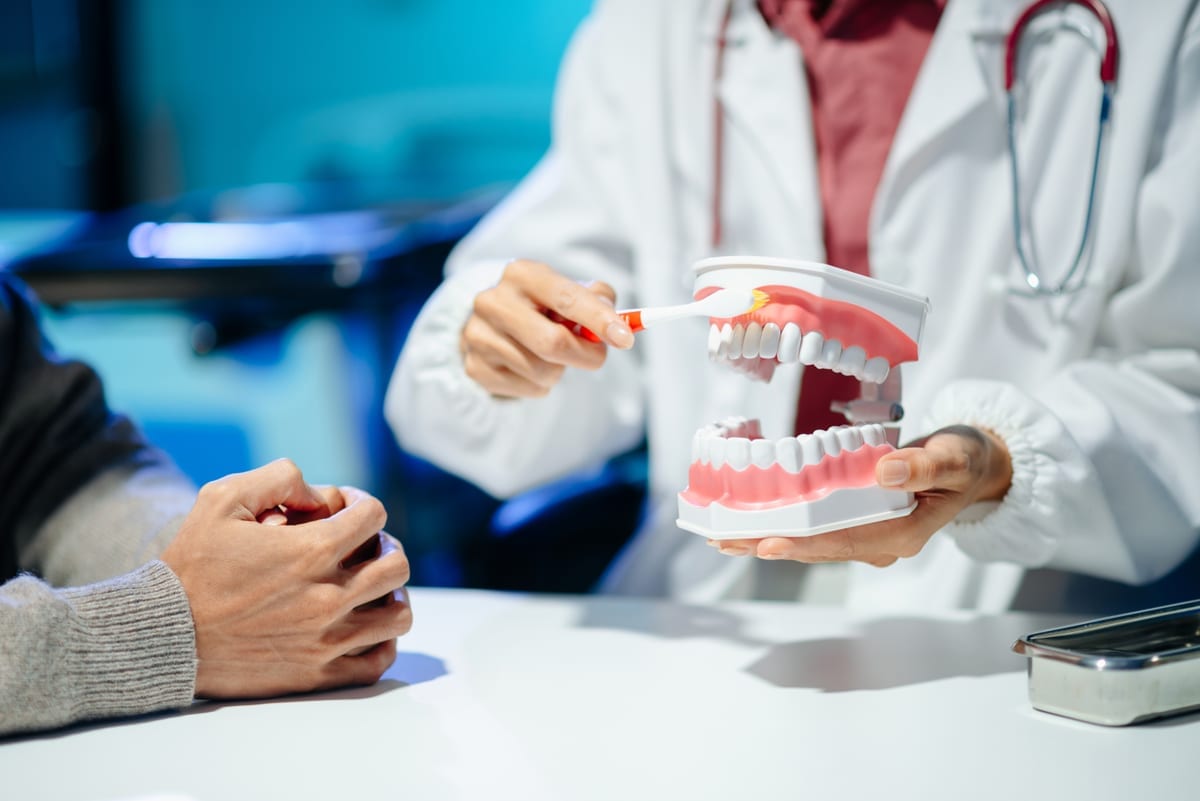
You brush twice a day. You floss regularly. Yet your dentist still finds buildup at your cleaning appointment. That experience is more common than you might think. Understanding why brushing can’t remove hardened tartar — but we can in Tappan — helps you see why professional cleanings are essential, not optional. At Sparkill Dental, Dr. Fanny Shaulov Vainer helps patients in and around Tappan, NY understand exactly what happens inside their mouths when plaque is left unchecked.
What Is Tartar and How Does It Form in the First Place?
Tartar starts out as plaque — a soft, sticky film of bacteria that coats your teeth daily. Plaque forms within hours of brushing. It clings to enamel surfaces, nestles along your gumline, and hides between teeth.
When plaque sits on teeth for 24 to 72 hours without removal, it begins to harden. Minerals from your saliva bind with the bacterial film. This process is called calcification, and it transforms soft plaque into a rock-hard substance called calculus — commonly known as tartar.
Once tartar hardens, no amount of brushing or flossing can remove it. It bonds tightly to enamel and root surfaces. At that point, only a dental professional with specialized instruments can safely remove it.
Why Brushing Can’t Remove Hardened Tartar — The Science Explained
Your toothbrush bristles are designed to sweep away soft debris and fresh plaque. They work beautifully on surfaces you can reach. But tartar has a completely different physical structure than plaque.
Hardened tartar is essentially mineralized. Think of it like a thin layer of rough stone fused to your tooth. Brushing against it does not loosen it. In fact, brushing over tartar can actually push bacteria deeper into the surrounding gum tissue.
Floss faces the same limitation. It slides between teeth to remove plaque from smooth surfaces. But it cannot chip away or dislodge calcified deposits that have already bonded to enamel. This is why patients in Tappan who maintain excellent home care routines still develop tartar over time.
Tartar also creates a rough, porous surface. That texture makes it easier for even more plaque to attach and accumulate — creating a cycle that accelerates without professional intervention.
What a Professional Cleaning Actually Removes
During a professional cleaning at Sparkill Dental, Dr. Shaulov Vainer and our hygiene team use specialized instruments called scalers and ultrasonic devices. These tools are designed specifically to break apart and remove calcified deposits.
Here is what gets removed during a professional cleaning that home care simply cannot address:
- Subgingival tartar — buildup that forms below the gumline, invisible and unreachable without instruments
- Supragingival tartar — hardened deposits sitting above the gumline on tooth surfaces
- Deep plaque pockets — bacterial accumulation inside gum pockets that brushing cannot reach
- Surface staining — discoloration embedded in tartar that regular toothpaste cannot remove
- Bacterial biofilm — organized colonies of bacteria that have matured beyond what saliva or brushing can disrupt
After scaling, our team polishes your teeth with a professional-grade paste. This smooths the enamel surface so that future plaque has less texture to grip onto. It is one of the most protective steps in the entire cleaning process.
Why Tartar Buildup Is a Serious Health Concern
Tartar is not just a cosmetic issue. Left untreated, it becomes a direct threat to your gum and bone health. The bacteria trapped in tartar produce toxins that irritate your gum tissue. This leads to inflammation — the early stage of gum disease known as gingivitis.
When tartar builds up below the gumline, it can trigger a more serious condition called periodontitis. Periodontitis destroys the bone that anchors your teeth. Over time, this can lead to tooth loss. It has also been linked to broader health concerns including cardiovascular disease and diabetes complications.
Early-stage gum disease often has no pain. Many patients in Tappan do not realize there is a problem until it has already progressed. Regular professional cleanings are your most effective defense because they interrupt this cycle before damage sets in.
For patients with more significant buildup, our team may recommend a deeper cleaning called scaling and root planing. This procedure cleans below the gumline more thoroughly than a standard cleaning. In some cases, patients also ask about other restorative concerns — and our team is always happy to discuss options like Root Canal Therapy Tappan when additional care is needed.
How Often Should Tappan Patients Schedule Professional Cleanings?
Most patients benefit from cleanings every six months. However, the ideal frequency depends on individual factors. Some patients naturally produce more tartar. Others have medical conditions that accelerate plaque formation.
Here are factors that may mean you need more frequent cleanings:
- A history of gum disease or periodontitis
- Dry mouth caused by medications or medical conditions
- Crowded teeth that are harder to clean effectively at home
- Smoking or tobacco use, which accelerates tartar formation
- Diabetes or other systemic health conditions
- Wearing orthodontic appliances or certain dental restorations
Dr. Shaulov Vainer evaluates each patient individually. She will recommend a cleaning schedule that matches your specific oral health needs. If you have been curious about other smile improvements — such as reading Invisalign Testimonials Tappan — our team can walk you through all your options during your visit.
What to Expect During Your Cleaning Visit at Sparkill Dental
Many patients feel nervous about cleanings, especially if it has been a while. At Sparkill Dental, we work to make every visit comfortable and informative. Here is what typically happens during your appointment:
- Oral exam — Dr. Shaulov Vainer or a hygienist examines your teeth and gums before cleaning begins
- Scaling — Hardened tartar is carefully removed using hand instruments and ultrasonic scalers
- Polishing — Your teeth are polished to remove surface stains and smooth enamel
- Flossing — Professional flossing clears any remaining debris between teeth
- Oral cancer screening — A quick visual check is included as part of your preventive care
- Personalized guidance — We review your home care routine and offer specific tips for your mouth
The entire process is thorough but gentle. We explain what we are doing at every step so you always feel informed and in control.
Conclusion: Home Care and Professional Care Work Together
Brushing and flossing are genuinely important habits. They prevent plaque from maturing and reduce how quickly tartar forms. But they are only one half of a complete oral health routine. Professional cleanings handle what home care cannot — removing hardened deposits, protecting your gums, and catching early problems before they become serious ones. Patients in Tappan deserve both consistent home care and regular professional support. Dr. Fanny Shaulov Vainer and the team at Sparkill Dental are here to provide exactly that. Book Now to schedule your appointment with our team.
Frequently Asked Questions
Can tartar ever be removed at home with special products?
No tartar removal product sold for home use can actually break apart hardened calculus. Some toothpastes claim to reduce tartar buildup, and they may slow its formation slightly. However, once tartar has fully calcified onto your tooth surface, only professional dental instruments can safely remove it without damaging enamel or gum tissue.
Does tartar buildup always cause visible staining?
Not always. Tartar itself can appear white or pale yellow, making it hard to spot in a mirror. However, tartar below the gumline often appears darker — ranging from yellow to brown to almost black. Because much of the most damaging tartar forms below the gumline where you cannot see it, regular dental exams are the only reliable way to detect and address it early.
How quickly does plaque turn into tartar?
Plaque can begin to harden into tartar in as little as 24 to 72 hours. This is why daily brushing and flossing matter so much — they interrupt the calcification process before it starts. However, every person’s saliva chemistry is different. Some people develop tartar faster than others regardless of how diligently they brush.
Is a professional cleaning uncomfortable?
Most patients find cleanings mildly uncomfortable at most, particularly if tartar has built up significantly. Sensitivity around the gumline is common when tartar is removed from below the gumline. Our team at Sparkill Dental takes care to work gently. If you have dental anxiety or significant sensitivity, let us know before your appointment so we can take extra steps to keep you comfortable.
What happens if I skip professional cleanings for a long time?
Skipping cleanings allows tartar to accumulate unchecked. Over time, this leads to gum inflammation, gum disease, and potential bone loss around your teeth. Catching up after a long gap is absolutely possible — and we never judge patients for time away. A thorough cleaning appointment followed by a consistent schedule going forward can make a significant difference in your long-term oral health.


New Patients & Emergency Appointments Welcome