609 Main St, Sparkill, NY 10976



If you’ve been wondering about chips, gaps, or stains and which cosmetic fix actually works for you in Sparkill, you’re not alone. Many patients visit Sparkill Dental with a specific concern but aren’t sure which treatment matches their situation. The good news is that modern dentistry offers targeted solutions. Dr. Fanny Shaulov Vainer helps patients find the right fit — not just the most popular option.
This guide walks you through four common cosmetic concerns. For each one, we’ll explain which treatments tend to work best and why. Think of it as your personal treatment selector before your next appointment.
Chips and Cracks: When Bonding or Crowns Make the Most Sense
A chipped tooth is one of the most common cosmetic concerns we see in Sparkill. The right fix depends on how much tooth structure is missing. Small chips usually respond well to composite bonding. Dr. Shaulov Vainer applies tooth-colored resin directly to the damaged area and shapes it to match your natural tooth.
Composite bonding is fast, affordable, and requires no lab work. Most cases are completed in a single visit. However, bonding material can stain over time and may need replacement after several years.
For larger chips or cracks that affect the tooth’s strength, a ceramic crown may be the better choice. Crowns cover the entire tooth and restore both appearance and function. They last significantly longer than bonding in most cases.
- Small chip with healthy tooth structure → composite bonding
- Chip that affects biting or chewing → ceramic crown
- Hairline crack with no missing material → dental contouring may suffice
- Multiple chipped front teeth → veneers may offer a more uniform result
Gaps Between Teeth: Matching the Fix to the Gap Size in Sparkill
Gaps between teeth — especially the front two — are a very common concern. The best fix depends on the size of the gap and how many teeth are involved. For small to moderate gaps, composite bonding can widen the edges of adjacent teeth. This creates the appearance of a closed or reduced gap without orthodontic treatment.
Porcelain veneers are another strong option for gap closure. They cover the front surface of teeth and can be shaped to minimize spacing. Veneers also improve color and texture at the same time. That makes them a popular choice when gaps come alongside other cosmetic concerns.
For larger gaps, orthodontic treatment may be the most effective long-term solution. Invisalign Testimonials Sparkill from our own patients show how clear aligners have helped close significant gaps with lasting results. Once spacing is corrected, bonding or veneers can refine the final appearance.
- Minor gap between two front teeth → bonding
- Multiple gaps with color concerns → veneers
- Large gaps or spacing throughout the arch → orthodontics first, then cosmetic refinement
Staining and Discoloration: Not All Stains Respond the Same Way
Tooth staining is probably the most misunderstood cosmetic concern. Patients often assume whitening will fix any discoloration. That’s not always true. The type of stain matters enormously.
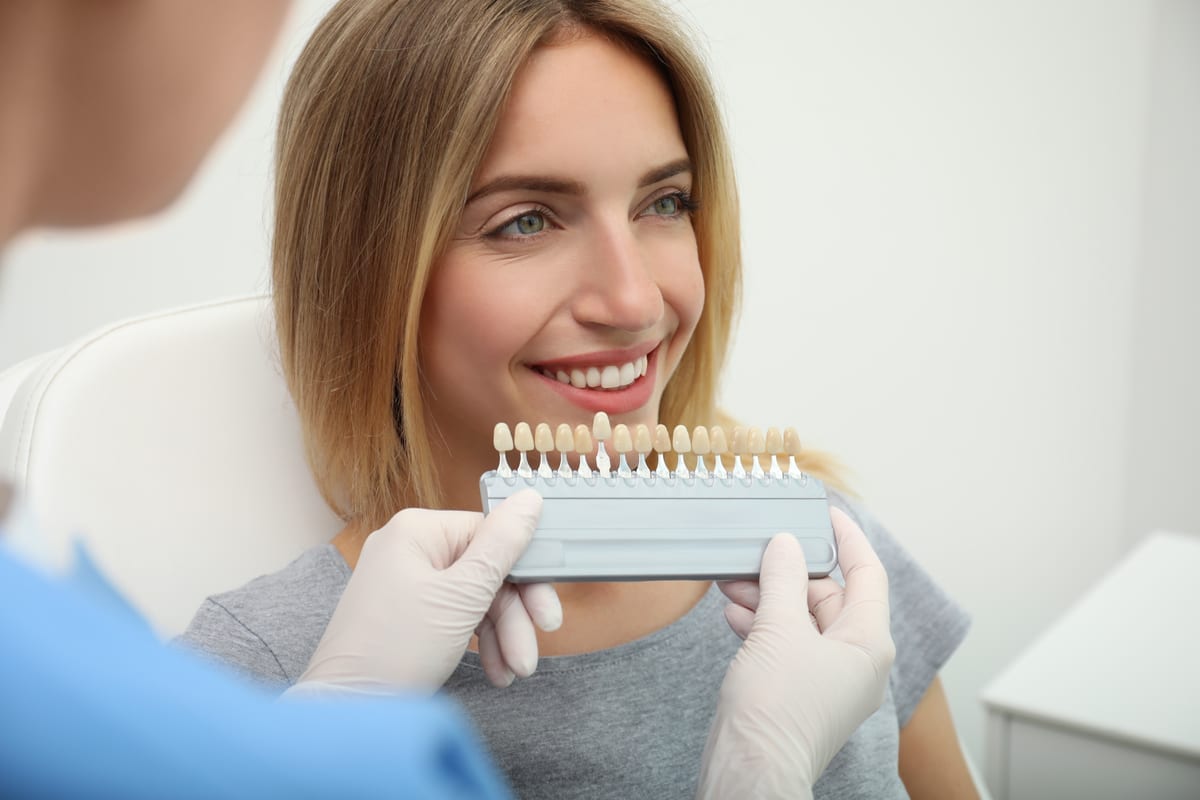
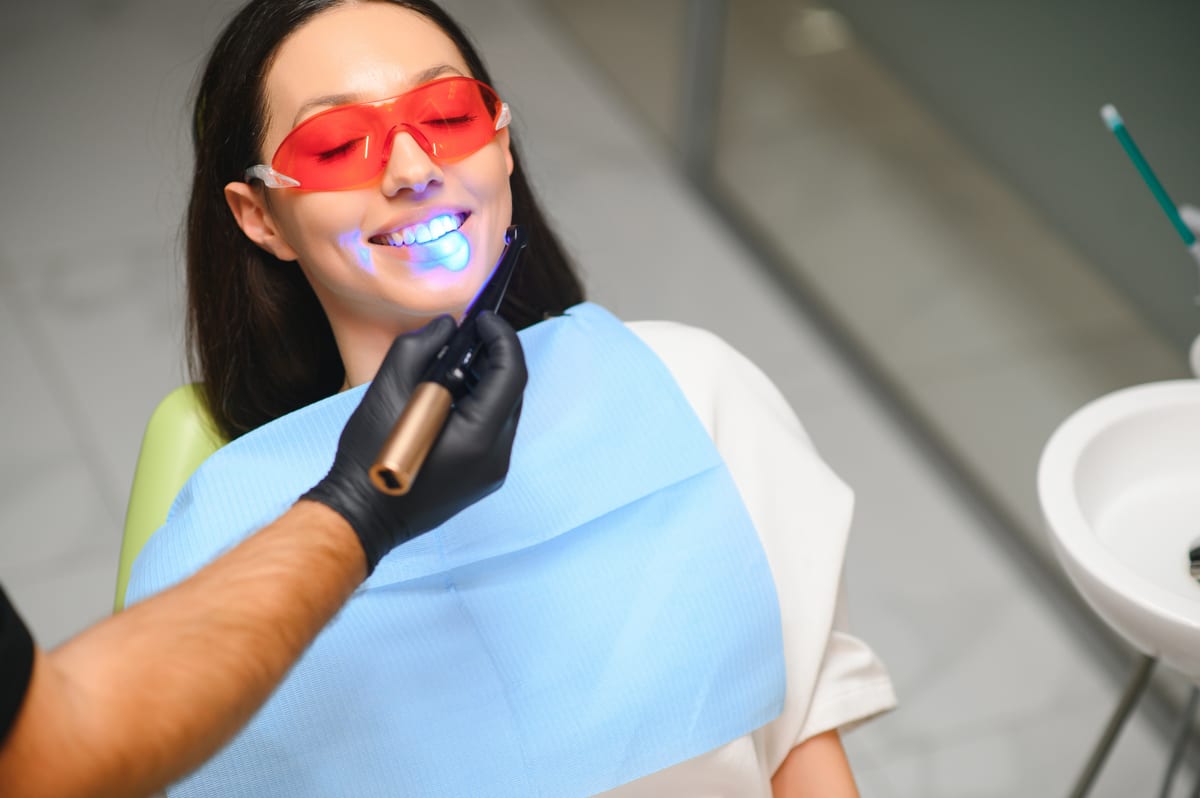
Surface stains from coffee, tea, red wine, or tobacco respond well to professional whitening. In-office whitening delivers fast, noticeable results. At-home trays from your dentist offer a gentler, more gradual approach. Both work well for extrinsic stains — those that sit on the outer surface of the enamel.
Intrinsic stains are different. These come from inside the tooth. Common causes include certain antibiotics taken during childhood, fluorosis, or trauma. Whitening does very little for intrinsic discoloration. In these cases, veneers or bonding are usually more effective because they physically cover the stained tooth surface.
It’s also worth noting that existing dental work — like composite fillings or crowns — does not whiten. If you have visible restorations in your smile zone, talk to Dr. Shaulov Vainer about how to create a consistent result across all teeth.
Worn Edges and Uneven Teeth: Contouring vs. Veneers
Over time, teeth naturally wear down at the edges. Grinding is a common culprit. If you clench or grind at night, a nightguard is often the first step — it protects your teeth from further damage before any cosmetic work is done.
Once the underlying cause is addressed, you have two main options for restoring worn edges. Dental contouring is a conservative approach. Your dentist gently reshapes the enamel to smooth rough or uneven spots. No anesthesia is typically needed, and results are immediate.
For more significant wear, composite bonding or porcelain veneers restore lost tooth length. Veneers offer superior durability and a more dramatic transformation. Bonding is quicker and more affordable but may require touch-ups over time. The right choice depends on the degree of wear and your cosmetic goals.
It’s also important to rule out any structural concerns before proceeding with cosmetic treatment. In some cases, heavily worn teeth may also have nerve sensitivity. Dr. Shaulov Vainer will evaluate whether any additional care — such as Root Canal Therapy Sparkill — is needed before moving forward with cosmetic restoration.
How to Choose the Right Treatment at Your Sparkill Dental Visit
No two smiles are exactly alike. The best cosmetic treatment for your chips, gaps, or stains depends on several personal factors. These include the severity of your concern, your overall oral health, your timeline, and your long-term goals.
Here are some general principles to guide your thinking before your appointment:
- If you want a quick result with minimal prep time → bonding or whitening
- If you want long-lasting durability → ceramic crowns or porcelain veneers
- If you have multiple concerns at once → veneers often address several issues together
- If your bite or grinding is a factor → start with a nightguard and protective care
- If discoloration is deep or internal → surface whitening won’t be enough
Dr. Shaulov Vainer takes a comprehensive approach at every exam. She looks at your bite, your gum health, and the condition of your existing restorations. That full picture helps ensure your cosmetic treatment lasts and looks natural.
Patients in Sparkill and the surrounding Rockland County area trust Sparkill Dental for honest, education-first guidance. The goal is always to help you make an informed choice — not to upsell you on unnecessary treatment. Book Now to schedule your appointment with our team.
Frequently Asked Questions
Is composite bonding a permanent solution for chips?
Composite bonding is durable but not permanent. It typically lasts five to ten years with proper care. Bonded teeth can stain over time, and the resin may chip if subjected to hard foods or teeth grinding. Regular checkups at Sparkill Dental help monitor the condition of your bonding.
Can whitening fix stains caused by antibiotics or fluorosis?
No — professional whitening works on extrinsic surface stains only. Stains caused by tetracycline antibiotics or fluorosis are intrinsic, meaning they originate inside the tooth structure. Veneers or bonding are typically more effective options for intrinsic discoloration. Dr. Shaulov Vainer can evaluate your staining type and recommend the best path forward.
How do I know if I need a veneer or a crown?
Veneers cover only the front surface of a tooth and are best for cosmetic concerns with a structurally intact tooth. Crowns cover the entire tooth and are used when significant structure is missing or the tooth is weakened. Your dentist will assess the amount of healthy tooth remaining before recommending one over the other.
What should I do if I grind my teeth and also want cosmetic work done?
Grinding should be addressed before cosmetic treatment begins. A custom nightguard protects your teeth from further wear and helps preserve any new restorations. Proceeding with veneers or bonding without first controlling grinding can lead to premature damage. Dr. Shaulov Vainer evaluates bite function as part of every cosmetic consultation.
How long does a cosmetic dental consultation take at Sparkill Dental?
A cosmetic consultation at Sparkill Dental typically takes about 30 to 60 minutes. Dr. Shaulov Vainer will review your concerns, examine your teeth and gums, and discuss realistic treatment options. You’ll have time to ask questions and understand what each option involves before making any decisions.

New Patients & Emergency Appointments Welcome