609 Main St, Sparkill, NY 10976


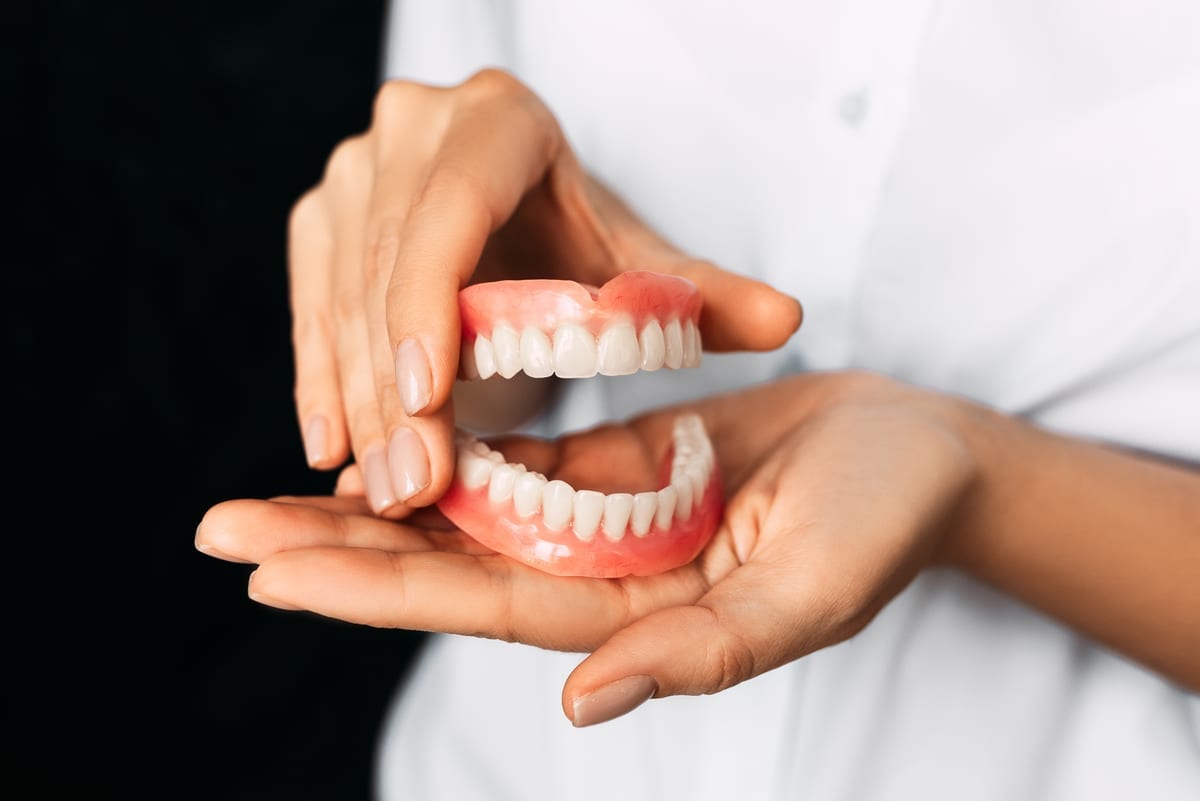
Getting new dentures is a life-changing step. Your first weeks with new dentures — what to expect and how to adapt in Sparkill — is a question Dr. Fanny Shaulov Vainer hears often at Sparkill Dental. The adjustment period is real, but it is also very manageable. Understanding what lies ahead helps you stay patient and confident throughout the process.
The First Few Days: Normal Sensations and Soreness
Your mouth is incredibly sensitive. New dentures introduce a foreign object your tongue and cheeks have never felt before. Some initial soreness and pressure are completely normal during the first few days.
You may notice increased saliva production right away. Your mouth interprets the dentures as food at first. This extra saliva typically decreases within a week or two as your mouth adapts.
Mild irritation along the gum line is also common. Do not ignore persistent sore spots, though. Dr. Fanny Shaulov Vainer recommends scheduling a follow-up appointment if any area feels raw or painful beyond the first few days. Small adjustments to the fit can make a huge difference in your comfort.
Speech Changes: Why It Happens and How to Adapt in Sparkill
Many new denture wearers are surprised by changes in their speech. Words that involve the letters S, F, and TH can feel awkward at first. Your tongue needs time to learn how to work around the new dental structure.
The good news is that this improves quickly with practice. Reading aloud is one of the most effective ways to speed up adaptation. Try spending ten to fifteen minutes each day reading a book or newspaper out loud.
Singing along to music can also help. It feels silly, but it trains your tongue and lips efficiently. Most patients at Sparkill Dental notice significant speech improvement within two to four weeks of consistent practice.
- Read aloud daily for at least ten minutes
- Repeat difficult words slowly until they feel natural
- Sing along to familiar songs to build muscle memory
- Have a conversation partner give you honest feedback
- Be patient — improvement happens gradually but steadily
Eating With New Dentures: A Step-by-Step Approach
Food is one of the biggest adjustments for new denture wearers. Your bite force is different now, and chewing mechanics have changed. Starting with the right foods protects your gums and builds confidence at the table.
Begin with soft foods during your first week. Think mashed potatoes, scrambled eggs, yogurt, and soft fish. Cut everything into small pieces before bringing it to your mouth.
Chew on both sides of your mouth simultaneously. This keeps the dentures stable and prevents them from tipping forward. Avoid biting directly into hard or sticky foods during the early weeks.
- Week one: Stick to soft, easy-to-chew foods only
- Week two: Introduce slightly firmer textures like cooked vegetables
- Week three: Begin testing more varied textures carefully
- Week four and beyond: Gradually work toward a more normal diet
Avoid very hard foods like whole raw carrots or crusty bread for at least the first month. Sticky foods like caramel or chewing gum can dislodge your dentures unexpectedly. Give yourself grace during this learning curve — it gets much easier.
Caring for Your Dentures During the Adjustment Period
Proper care during the adjustment period protects both your dentures and your oral health. Clean your dentures every day without exception. Use a soft-bristled brush and denture cleanser — never regular toothpaste, which is too abrasive.
Remove your dentures at night before bed. Your gum tissue needs time to rest and recover. Soak the dentures overnight in a denture-cleaning solution or plain water to prevent warping.
Rinse your mouth with warm salt water after meals. This soothes irritated gum tissue and keeps the area clean. Maintain your regular visits with Dr. Fanny Shaulov Vainer to monitor your gum health and denture fit.
Remember that dentures can change shape slightly over time as your jawbone shifts. Regular checkups at Sparkill Dental help catch any fit issues early. A well-fitting denture is far more comfortable and functional than one that has shifted even slightly.
When to Call Your Dentist During the Adjustment Period
Not every discomfort is something to wait out on your own. Knowing when to reach out to your dental team is important. Dr. Fanny Shaulov Vainer and the Sparkill Dental team are always available to help you through this process.
Contact the office if you experience any of the following situations during your first weeks with new dentures:
- Sore spots that do not improve after three to five days
- Dentures that click loudly when you chew or speak
- Noticeable slipping or looseness during normal activities
- Difficulty swallowing or breathing — seek immediate care
- Gum tissue that appears swollen, red, or bleeding regularly
Minor adjustments at the dental office are quick and straightforward. There is no reason to suffer through avoidable discomfort. A small refinement to the fit can completely transform your daily experience.
Your oral health does not stop at dentures, either. Keeping up with your broader dental wellness matters. If you have ever been curious about other restorative options, our team can also answer questions about Root Canal Therapy Sparkill and how it fits into your overall care plan. Patients interested in cosmetic transformation can also explore Invisalign Testimonials Sparkill to hear real stories from local patients.
Moving Forward With Confidence
The adjustment period for new dentures is temporary. Most patients feel significantly more comfortable and confident by the end of their first month. The key is consistent practice, proper care, and open communication with your dental team.
At Sparkill Dental, Dr. Fanny Shaulov Vainer takes a patient, empathetic approach to denture care. You will never be rushed or left to figure things out alone. Our team in Sparkill, NY is here to support every step of your journey.
Your smile deserves every chance to thrive. Book Now to schedule your appointment with our team.
Frequently Asked Questions
How long does it take to fully adjust to new dentures?
Most patients feel comfortable within four to eight weeks. Speech and eating challenges improve significantly within the first month with regular practice and proper fit adjustments from your dentist.
Is it normal for new dentures to feel loose at first?
Some movement is normal as your mouth adjusts to the new appliance. However, if your dentures slip significantly during chewing or speaking, contact Dr. Fanny Shaulov Vainer at Sparkill Dental for a fit evaluation.
Can I sleep with my new dentures in?
Most dentists recommend removing dentures at night. This gives your gum tissue time to rest and recover. Wearing dentures continuously can increase irritation and may affect the long-term health of your gums.
What foods should I avoid during the first weeks with new dentures?
Avoid hard, sticky, or very chewy foods during the first few weeks. Examples include raw carrots, hard candies, caramel, and crusty bread. Start with soft foods and gradually introduce more textures as your confidence builds.
How often should I visit the dentist after getting new dentures?
Dr. Fanny Shaulov Vainer typically recommends a follow-up visit within the first week or two after receiving new dentures. Ongoing checkups every six months help monitor your gum health and ensure the dentures continue to fit properly.

New Patients & Emergency Appointments Welcome