609 Main St, Sparkill, NY 10976



It starts as a small twinge. Maybe some sensitivity to cold or a slight ache after eating. You tell yourself you will call the dentist soon. But days turn into weeks, and weeks turn into months. Understanding why putting off that filling could cost you thousands in Sparkill is one of the most important things you can do for your long-term dental health. At Sparkill Dental, Dr. Fanny Shaulov Vainer sees this pattern regularly — and the outcome is almost always more expensive and more uncomfortable than it needed to be.
What Happens When You Ignore a Cavity in Sparkill
A cavity does not stay the same size. It grows. Tooth decay is a bacterial process, and once it starts, it continues to spread through the layers of your tooth. The outer enamel gives way to the softer dentin underneath. From there, the decay moves quickly toward the inner pulp of the tooth.
When decay reaches the pulp, simple treatment is no longer an option. A composite filling, which is a quick and affordable procedure, is no longer enough to fix the problem. You are now looking at more complex intervention to save the tooth — or losing the tooth entirely.
Many Sparkill patients are surprised to learn just how fast this progression can happen. A cavity that might have taken 30 minutes and a modest fee to treat can become a much bigger problem within a single year of neglect.
Why Putting Off That Filling Could Cost You Thousands Sparkill Residents Should Know
Let us break down the cost comparison in plain terms. A composite filling at an early stage is one of the most cost-effective dental treatments available. It addresses the problem at its source before any real structural damage occurs.
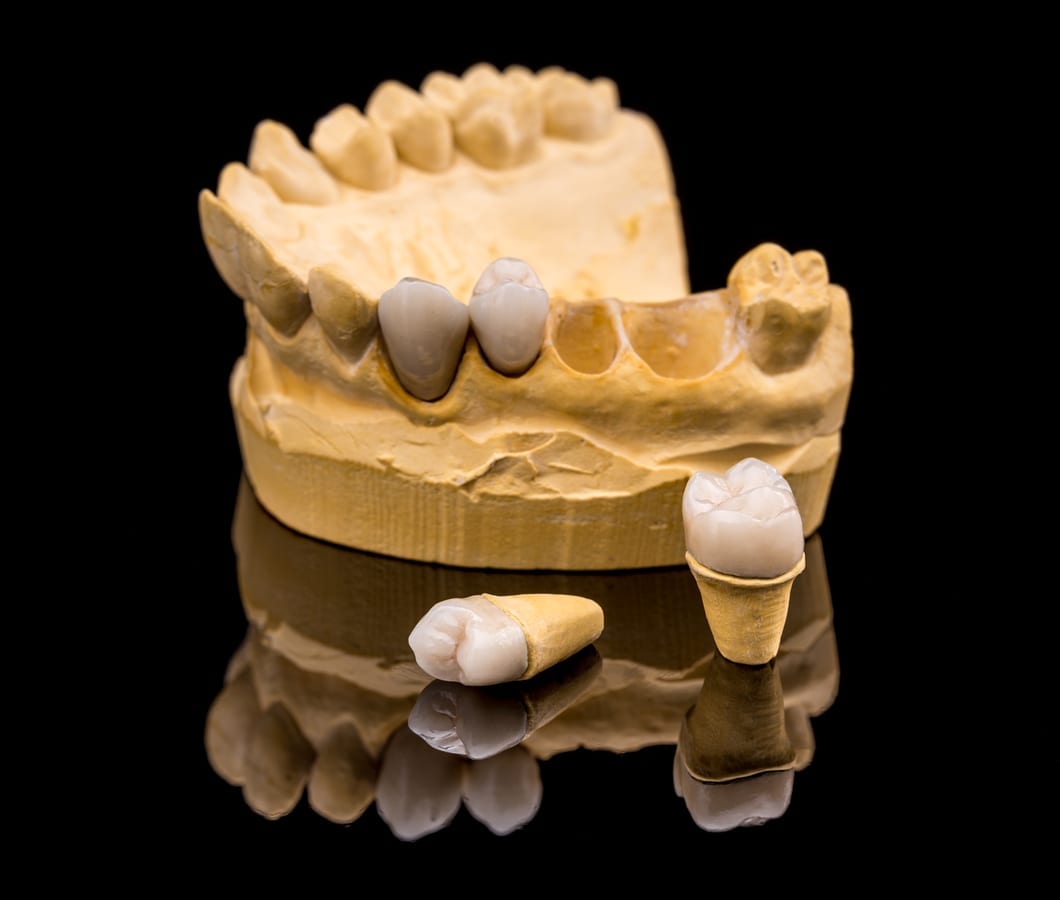
When decay spreads deeper, the options change. You may need a ceramic crown to restore a tooth that has lost too much structure. If the nerve becomes infected, treatment such as Root Canal Therapy Sparkill becomes necessary before the crown can even be placed. That is multiple procedures instead of one.
Consider what that means financially:
- A filling today costs a fraction of a crown tomorrow
- A crown costs significantly less than a root canal plus a crown
- Losing the tooth entirely can lead to implant restorations or dental bridges — both multi-step, higher-cost solutions
- Each step in the escalation adds time, appointments, and expense
The math is clear. Waiting almost always costs more. Sometimes it costs significantly more.
The Physical Cost of Delaying Treatment
Money is not the only thing at stake. Pain is a real and growing risk when a cavity goes untreated. What begins as mild sensitivity can become persistent, throbbing pain that disrupts sleep and daily life.
An untreated cavity can eventually lead to a dental abscess. An abscess is a serious bacterial infection that can spread beyond the tooth. It requires urgent care and can affect your overall health if left untreated. This is not meant to frighten you — it is simply what the evidence shows.
There is also the issue of tooth loss. Losing a tooth affects more than appearance. It changes how you chew and speak. Adjacent teeth may begin to shift. Bone loss in the jaw can follow over time. Replacing a missing tooth with a dental implant restoration or bridge is far more involved than treating a cavity early on.
Beyond the physical and financial toll, there is a quality-of-life impact. Chronic dental pain affects focus, mood, and confidence. Patients often report avoiding social situations or feeling embarrassed about their smile once problems become visible.
What a Simple Filling Actually Involves
Many patients delay treatment because they are anxious about what a filling entails. The good news is that modern composite fillings are straightforward and comfortable. Here is what you can expect at Sparkill Dental:
- Dr. Shaulov Vainer examines the tooth and confirms the extent of decay
- A local anesthetic is applied to keep you comfortable throughout
- The decayed portion of the tooth is gently removed
- The composite resin is applied in layers and shaped to match your natural tooth
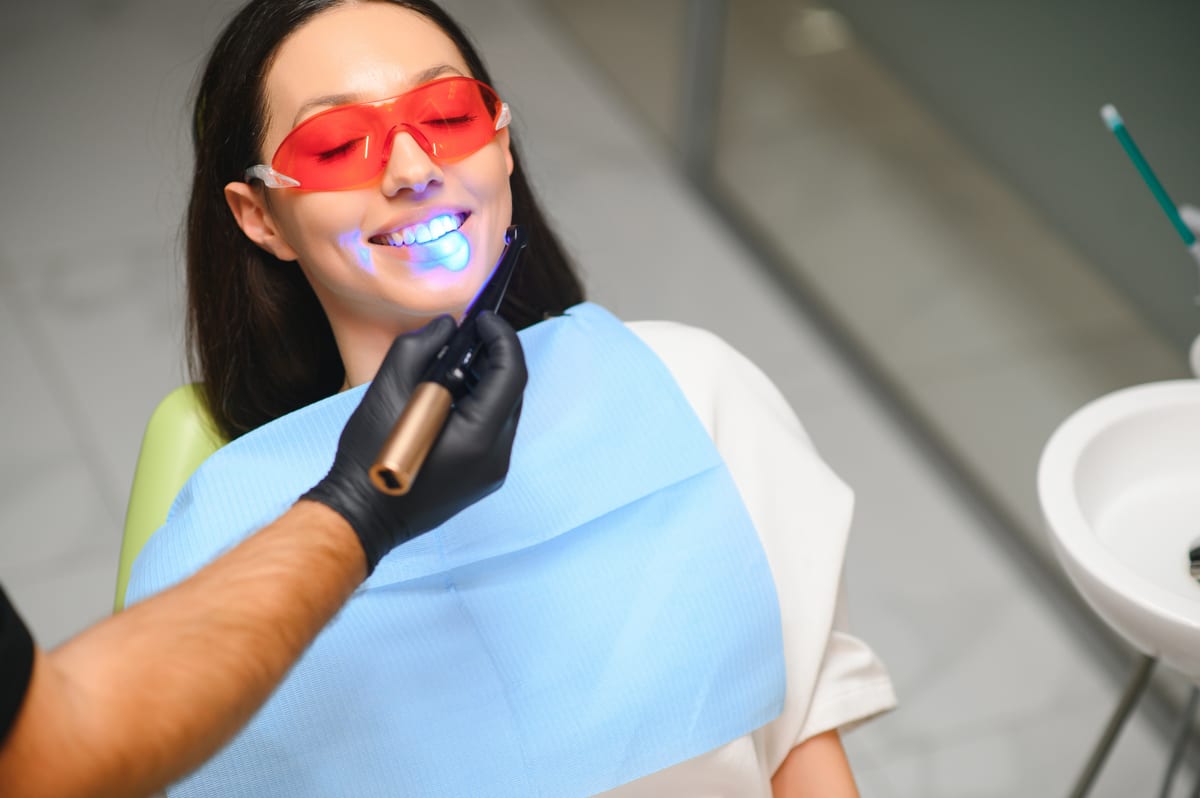
- A special light hardens the material, and your bite is checked for balance
Most fillings are completed in a single appointment. Many patients return to normal activities the same day. The procedure is minimally invasive when performed at the right time — before decay has had a chance to spread.
Composite resin is also tooth-coloured. It blends naturally with your existing teeth, so there is no visible metal or discolouration. This makes it both a functional and cosmetic solution.
Preventive Care Is Always the Better Investment
The best way to avoid an expensive filling is to catch decay before it begins — or catch it in its earliest stages. Regular cleanings and exams at Sparkill Dental give Dr. Shaulov Vainer the opportunity to spot problems while they are still small and inexpensive to address.
Fluoride treatments and dental sealants offer additional layers of protection, especially for patients who are prone to cavities. These preventive tools are simple, affordable, and highly effective at reducing decay risk over time.
Patients who attend routine visits are far less likely to face escalating dental costs down the road. Prevention is not just good for your health — it is genuinely good for your budget. Many people focus on achieving a beautiful smile, and treatments like those highlighted in Invisalign Testimonials Sparkill show how confident patients feel when they invest in their oral health early and consistently.
Think of your dental health the same way you think about maintaining your car. Small, regular maintenance prevents large, costly breakdowns. Skipping routine care does not save money — it defers and amplifies future costs.
Frequently Asked Questions
How do I know if I have a cavity that needs a filling?
Common signs include tooth sensitivity to hot, cold, or sweet foods, visible dark spots on the tooth, or a persistent mild ache. However, some cavities have no symptoms at all in the early stages. Regular dental exams with X-rays are the most reliable way to detect decay before it causes noticeable problems.
Is it safe to wait a few months before getting a filling?
In most cases, waiting is not advisable. Decay is an active process and continues to grow. What takes one appointment and minimal cost to treat today may require a crown, a root canal, or tooth extraction if left too long. Dr. Shaulov Vainer recommends addressing cavities as soon as they are diagnosed.
Do composite fillings last as long as metal fillings?
Modern composite fillings are highly durable and can last many years with proper care. They bond directly to the tooth structure, which helps support the remaining tooth. Regular brushing, flossing, and dental visits all contribute to the longevity of your filling.
What happens if I lose the tooth instead of treating the cavity?
Tooth loss has long-term consequences beyond appearance. Adjacent teeth may shift, jawbone density can decrease, and chewing function is affected. Replacing a missing tooth with a dental implant restoration or bridge is a multi-step process that takes longer and costs considerably more than a simple filling would have.
How can I reduce my risk of needing fillings in the future?
Brushing twice daily, flossing every day, limiting sugary foods and drinks, and attending regular cleanings and exams are the most effective preventive steps. Dr. Shaulov Vainer may also recommend fluoride treatments or dental sealants based on your individual risk profile.
Do not let a small cavity become a costly and painful problem. The team at Sparkill Dental is here to help you protect your smile with comfortable, compassionate care. Book Now to schedule your appointment with our team.

New Patients & Emergency Appointments Welcome