609 Main St, Sparkill, NY 10976


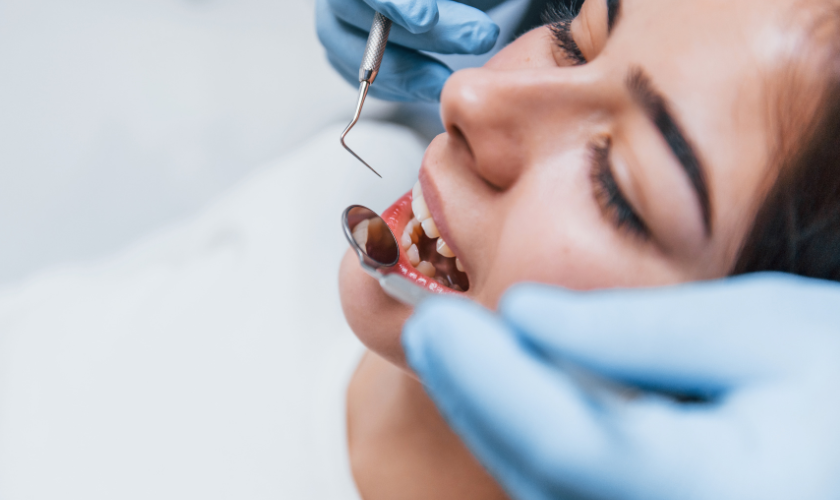
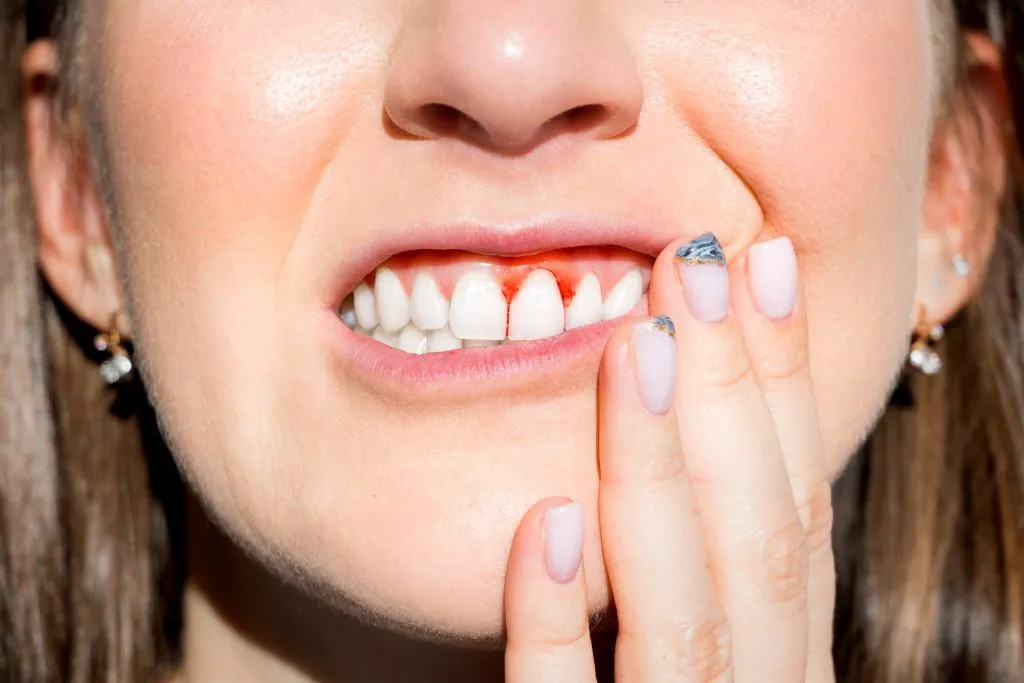
Gums that bleed are frequently overlooked, particularly when they happen sporadically while brushing or flossing. Nonetheless, this is not an aspect to disregard. At Sparkill Dental NY, patients are informed that gums that bleed are not typical and could signal a deeper problem. Often, this symptom is an initial indicator of periodontal gum disease, a condition that can escalate if not addressed. Gums that are healthy ought to be firm, pink, and not bleed. If you consistently see blood in your saliva, it is crucial to obtain professional dental assistance.
Why Early Attention Matters
Disregarding bleeding gums can permit slight inflammation to escalate into a more significant dental issue. Untreated periodontal gum disease can impact not only your dental health but also your overall wellness over time. Studies have indicated connections between gum disease and systemic issues like heart disease and diabetes. Gaining knowledge from reliable sources can aid patients in recognizing the significance of early detection and ongoing treatment.
What Causes Bleeding Gums?
Gums that bleed are typically caused by inflammation resulting from the buildup of plaque at the gumline. Plaque is a sticky film of bacteria that constantly forms on the teeth. If not properly removed through regular brushing and flossing, it begins to accumulate at the base of the tooth where the gums meet the enamel.
As the bacterial layer increases in thickness, it releases toxins that worsen the surrounding gum tissue. As a response, the body starts an inflammatory reaction to fight the bacteria. This inflammation causes the gums to look red, swollen, and more sensitive than normal. As a result, even light tasks like brushing or flossing can cause gums to bleed.
If plaque is not removed, it can turn into tartar, which cannot be cleared away with typical home care. Tartar creates a rough surface that allows for increased bacterial adherence, worsening irritation and raising the risk of developing periodontal gum disease. Over time, this ongoing inflammation can reduce the bond between gums and teeth, making prompt intervention vital for maintaining healthy gum tissue.
Common Causes of Bleeding Gums
Poor Oral Hygiene
Irregular brushing and flossing cause plaque to become tartar. This raises the likelihood of developing periodontal gum disease.
Gingivitis
Gingivitis is the initial phase of gum disease. It leads to inflammation, discolouration, and haemorrhage but can be remedied with appropriate treatment.
Aggressive Brushing
Applying excessive pressure while brushing or using a toothbrush with stiff bristles can harm sensitive gum tissue and result in bleeding.
Irregular Flossing
If you haven’t been flossing consistently, your gums might bleed when you start. Frequent flossing typically leads to improvement in this area.
Health and Lifestyle Factors
Some medications, tobacco use, and pre-existing health issues can heighten gum sensitivity and lead to bleeding.
Understanding Periodontal Gum Disease
Bleeding gums are often the first sign of periodontal gum disease, which affects the gums and the supporting bone around the teeth.
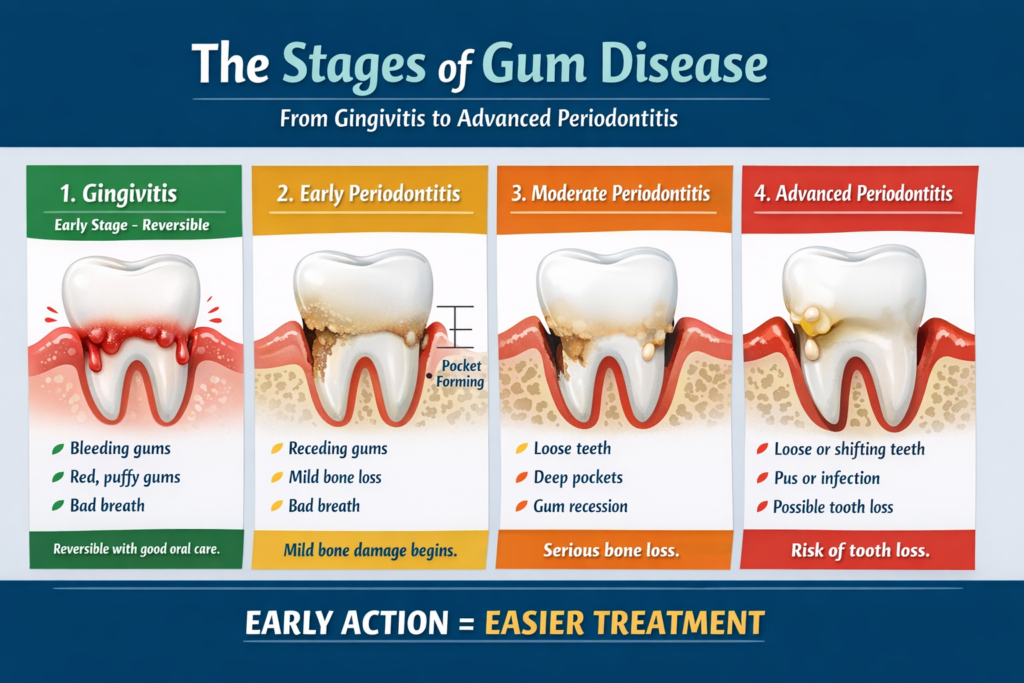
Stages of Periodontal Gum Disease
Gingivitis
This early stage involves minor swelling and bleeding. It can be undone with professional care and appropriate dental hygiene.
Periodontitis
If gingivitis remains untreated, it may advance to periodontitis. This progressed phase can result in gum recession, bone deterioration, and potentially tooth loss. Prompt detection at Sparkill Dental NY is crucial to avoid lasting issues.
Signs You Should Not Ignore
Identifying symptoms promptly can aid in stopping the advancement of periodontal gum disease.
Warning Signs Include
- Frequent gum bleeding
- Swollen or tender gums
- Persistent bad breath
- Receding gums
- Loose or shifting teeth
If you notice any of these symptoms, scheduling a dental visit is important.
How Sparkill Dental NY Can Help
Sparkill Dental NY emphasises personalised and preventive care to promote lasting gum health.
Professional Treatment Options
- Thorough dental cleanings to eliminate plaque and calculus.
- Treatment for periodontal issues related to gum disease.
- Regular dental check-ups for early identification
- Customized dental care instructions
- These therapies focus on managing infection and rejuvenating healthy gum tissue.
These treatments aim to control infection and restore healthy gum tissue.
Tips to Prevent Bleeding Gums
Avoiding periodontal gum disease starts with regular oral hygiene and frequent dental check-ups.
Daily Preventive Steps
- Use a soft-bristled toothbrush to brush two times a day.
- Gently floss each day.
- Utilise an antibacterial mouthwash if advised.
- Sustain a nutritious, well-balanced diet.
- Schedule regular checkups and cleanings with your dentist.
Proper oral habits are essential for keeping gums healthy.
Final Thoughts
Bleeding gums are not normal and should never be ignored. They are often an early sign of periodontal gum disease, which can progress without proper treatment. With early diagnosis and consistent care, gum health can be restored and maintained. Sparkill Dental NY encourages patients to seek timely dental care to prevent complications. Visit us or contact us to maintain a healthy, confident smile.
FAQs
1. Are bleeding gums always a sign of periodontal gum disease?
Not always, but they are a common early symptom and should be evaluated by a dentist.
2. Can periodontal gum disease be reversed?
Gingivitis in its early stage is reversible. Advanced stages require professional management.
3. How often should I visit the dentist for gum health in Sparkill, NY?
Most patients should visit every six months, though some may need more frequent care.
4. Does brushing harder stop gum bleeding?
No, brushing too hard can worsen gum irritation. Gentle brushing is recommended.
5. Can untreated gum disease affect overall health?
Yes, periodontal gum disease has been linked to other health conditions, underscoring the importance of early treatment.


New Patients & Emergency Appointments Welcome