609 Main St, Sparkill, NY 10976

Prevent Tooth Decay with Dental Sealants
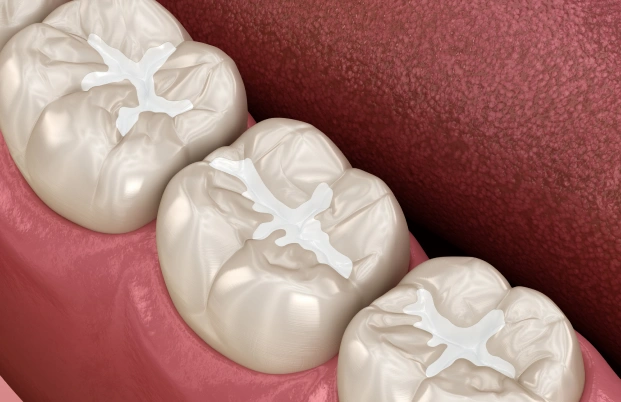
Dental sealants are a thin, protective coating applied to the chewing surfaces of back teeth, particularly molars and premolars. These teeth often have deep grooves that are difficult to clean and prone to cavities. Sealants cover these grooves, creating a smooth surface that makes brushing easier and helps block out food and bacteria. While durable and long-lasting, sealants should be checked regularly to ensure they haven’t worn down or chipped.
The Advantages of Using Sealants
Sealants provide added protection for teeth, particularly in areas that are prone to cavities. They are an excellent choice for:
- Kids and Teens: Sealants are most effective when applied as soon as the first permanent molars appear, typically around age 6. They help protect teeth through the cavity-prone years up to age 16.
- Adults: For adults with deep grooves in their teeth that are still decay-free, sealants can be an effective way to prevent future cavities.
- Young Children (Baby Teeth): Sealants may sometimes be recommended for baby teeth if the child has deep grooves and a higher risk of cavities.
How We Apply Dental Sealants
Applying sealants is quick, easy, and completely painless. The procedure typically takes just a few minutes per tooth. Here’s what to expect:
- The tooth is thoroughly cleaned and dried.
- Cotton or a small barrier is placed to keep the tooth dry.
- A special solution is applied to lightly roughen the tooth surface, helping the sealant adhere better.
- The tooth is rinsed and dried again.
- The sealant is carefully painted onto the tooth’s surface.
- The sealant hardens either naturally or with the help of a special curing light.
To ensure your sealants remain effective, brush and floss daily, maintain a balanced diet, and schedule regular dental checkups. Sealants provide a simple, long-lasting way to help protect your teeth and keep your smile healthy.
Frequently Asked Questions
New Patients & Emergency Appointments Welcome