609 Main St, Sparkill, NY 10976


Restore Your Smile With Custom Dental Bridges
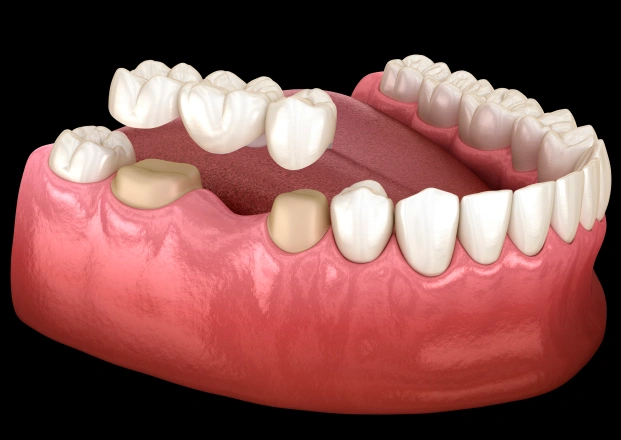
Missing teeth can impact your ability to speak, chew, and smile confidently—but dental bridges provide a dependable solution. A bridge fills the gap left by missing teeth, restoring your bite, enhancing your appearance, and preventing surrounding teeth from shifting.
Custom-made to match the shape and color of your natural teeth, dental bridges look and feel natural. Whether you’re replacing one tooth or several, they help you regain both comfort and confidence in your everyday life.
Understanding How Bridges Work
A dental bridge consists of artificial teeth, known as pontics, which are supported by the adjacent teeth or dental implants. The bridge is custom-fitted to feel natural and sturdy, making it easier to eat and speak comfortably. It also prevents surrounding teeth from shifting and helps preserve the natural shape of your face.
Restore Your Smile With a Dental Bridge
Dental bridges provide a reliable and long-lasting solution for replacing one or more missing teeth, helping to restore proper bite function, prevent surrounding teeth from shifting, maintain the natural shape of your face, and support your overall oral health, and if you’re ready to regain a fully functional and confident smile, it’s important to consult your dentist to determine the most suitable bridge type and customized treatment plan for your individual needs.
Understanding the Various Types of Dental Bridges
Depending on your specific needs, your dentist may suggest one of several options:
Traditional Dental Bridge
A traditional bridge uses crowns on the teeth adjacent to the gap to secure the replacement tooth. It’s a durable and commonly chosen option for patients with healthy teeth on both sides of the missing tooth.
1.
Cantilever Dental Bridge
A cantilever bridge is used when only one tooth is adjacent to the gap. The replacement tooth is securely anchored to this single supporting tooth.
2.
Maryland Dental Bridge
A Maryland bridge features a metal or porcelain framework to support the replacement tooth. The frame is bonded to the back of the adjacent teeth, requiring little to no alteration of the natural teeth.
3.
Frequently Asked Questions
New Patients & Emergency Appointments Welcome