609 Main St, Sparkill, NY 10976

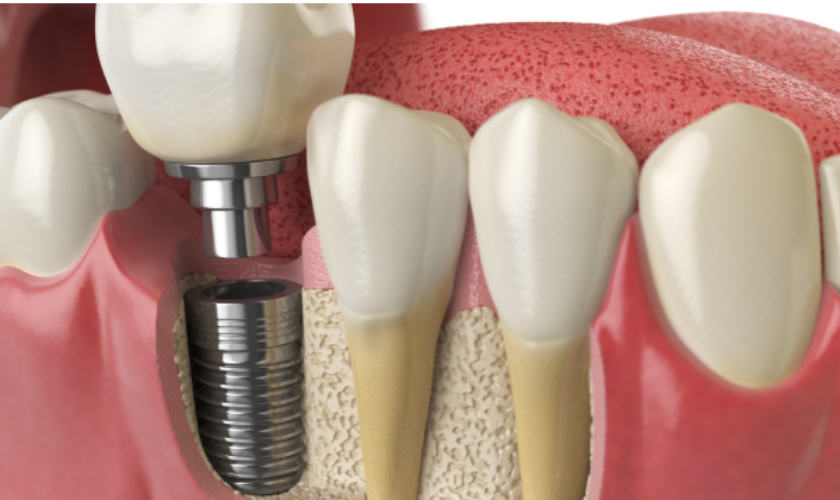
After dental implant restoration surgery, recovery and proper post-surgical care are essential to ensure successful healing and avoid complications. Sparkill Dental is committed to helping patients recover swiftly and comfortably by providing clear guidelines on foods that promote healing and those that should be avoided. This article will guide you through your post-surgery diet, helping you make informed decisions to support your recovery.
Why Your Diet Matters After Dental Implant Restorations
Your diet plays a crucial role in the recovery process following surgery. A balanced diet rich in essential nutrients helps reduce inflammation, supports healing, and promotes overall health. On the other hand, eating the wrong foods could lead to discomfort, delayed healing, or complications with restoration. The right foods will not only aid in healing but will also keep you comfortable during the initial recovery period.
Let’s break down what to eat and what to avoid in the days and weeks following your dental implant restoration. Following these dietary tips will help ensure a smooth recovery and enhance the longevity of your restoration.
Foods You Can Eat After Dental Implant Restorations
1. Soft Foods
Immediately after your restorative surgery, you’ll want to stick to a soft-food diet to avoid putting pressure on your restorations. Soft foods are easier to chew, and they won’t irritate your surgical site. Here are some options to include in your meals:
- Mashed Potatoes: Smooth and comforting, they’re easy to eat without chewing. Just make sure they are soft enough to swallow easily.
- Applesauce: A great snack choice, as it’s soft and nutrient-rich. Look for unsweetened varieties to avoid unnecessary sugars.
- Greek Yogurt: High in protein and probiotics, it soothes your mouth and promotes healing.
- Scrambled Eggs: A soft protein source, scrambled eggs provide essential nutrients to support recovery and are easy to eat.
- Smooth Soups: Pureed soups, such as tomato or butternut squash, are excellent for hydration and nutrients. Avoid any soups with chunks or hard ingredients.
- Oatmeal: Soft, easy to swallow, and packed with fiber, oatmeal is a great breakfast choice after your procedure.
- Pudding and Jello: These are sweet, smooth, and can be great for a satisfying dessert during your recovery period.
2. Foods That Promote Healing
Certain foods are not only easy to eat but also contribute to healing after dental surgery. These include:
- Lean Proteins: Chicken, turkey, and fish provide the protein your body needs to support tissue repair and help your body heal faster. Make sure to prepare them in soft, easy-to-chew forms.
- Leafy Greens: Spinach and kale are excellent sources of vitamins and minerals that support your immune system and help your body heal more efficiently. Opt for well-cooked greens for easier digestion.
- Avocados: Rich in healthy fats, avocados are soothing to the gums and can provide much-needed calories when your appetite may be lower.
- Smoothies: You can make a nutritious smoothie by blending fruits like bananas and berries, along with a scoop of protein powder or Greek yogurt. Smoothies are an easy way to incorporate healthy ingredients into your diet while keeping your mouth comfortable.
Foods to Avoid After Dental Implant Restorations
1. Hard and Crunchy Foods
During the initial recovery period, avoid hard, crunchy, or excessively chewy foods. These foods can cause discomfort, strain your implant, and potentially lead to complications. Avoid:
- Nuts and Seeds: While nutritious, these are hard to chew and can get stuck in the surgical site.
- Popcorn: The kernels can be irritating, and their sharp edges may damage your gums or restorations.
- Crusty Bread: Foods like crusty rolls or toasted bread can be hard to bite into and may irritate your mouth.
- Chips: These can be too hard and crunchy, which can disrupt your healing process.
2. Spicy or Acidic Foods
Spicy and acidic foods can irritate your gums, especially after surgery, making recovery more uncomfortable. Avoid:
- Citrus Fruits: While they are packed with vitamin C, the acid in fruits like oranges, lemons, and grapefruits can irritate your gums and surgical site.
- Tomato-Based Sauces: The acidity in tomatoes may cause stinging or discomfort in your mouth, especially in the first few days after surgery.
- Hot Peppers: These can cause a burning sensation and aggravate the healing tissues in your mouth.
3. Sticky and Chewy Foods
Sticky foods can get lodged in your implant restoration, causing discomfort and potentially leading to complications. Avoid:
- Caramel: Sticky sweets like caramel can adhere to your teeth and gums, making it difficult to clean your mouth properly after eating.
- Gum: While it may seem harmless, it can stick to your teeth and implants, causing discomfort and disrupting healing.
- Taffy and Licorice: These chewy, sticky candies can damage or irritate your mouth during recovery.
4. Cold and Hard Foods
While cold foods may feel soothing, they can sometimes cause discomfort due to increased sensitivity after surgery. Avoid:
- Ice Cream: Cold treats may cause sensitivity in your freshly treated gums, especially if consumed too soon after surgery.
- Frozen Foods: Frozen pops or hard ice cubes can be too tough for your recovering mouth.
Hydration Is Key
Staying hydrated is just as important as eating the right foods. Water helps keep your body functioning optimally and aids in the healing process. It’s essential to avoid sugary drinks, such as sodas and fruit juices. Instead, focus on water, herbal teas, or milk to stay hydrated.
Your recovery after dental implant restoration will depend significantly on your diet. Following proper dietary guidelines will ensure your implants heal correctly and that you can enjoy your new smile without any setbacks. At Sparkill Dental, we’re here to guide you through the recovery process with personalized care and advice. Contact us today to schedule your consultation for dental implant restorations.
FAQs
1. How soon can I start eating solid foods after dental implant restoration surgery in Sparkill?
You should wait at least 24 to 48 hours before attempting to eat solid foods. Start with soft foods and gradually introduce firmer foods as you feel more comfortable.
2. Can I drink coffee after dental implant restoration surgery?
It’s best to avoid coffee for the first few days, as it can stain your teeth and irritate your healing gums. Once you’re more comfortable, you can reintroduce it in moderation.
3. How can I speed up recovery after dental implant restorations?
Maintaining a balanced diet, staying hydrated, avoiding tobacco, and following your dentist’s post-operative instructions will help speed up your recovery.

New Patients & Emergency Appointments Welcome