609 Main St, Sparkill, NY 10976


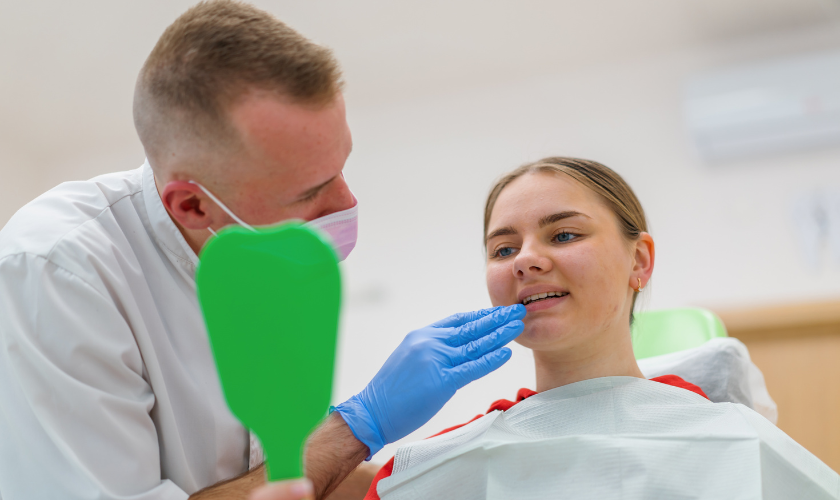
Many people think that a dental appointment is only about checking for cavities. While tooth decay is a vital concern, a routine dental exam includes much more than examining the teeth. Modern dentistry focuses heavily on preventive dentistry, which means identifying potential oral health problems before they become serious. At Sparkill Dental, dental exams are designed to evaluate your entire oral health, not just your teeth. Dentists assess your gums, jaw, bite alignment, oral tissues, and existing dental work to ensure everything is functioning properly. These comprehensive exams help detect issues early and protect your long-term health.
Understanding what dentists check during an exam helps patients see the value of regular visits and why preventive dentistry plays such an important role in maintaining a healthy smile.
The Role of Preventive Dentistry in Routine Exams
Preventive dentistry aims to avert dental issues before they arise. Dentists keep a close watch on oral health through routine check-ups and cleanings instead of waiting for a patient to feel pain or sustain damage. Numerous dental health issues develop silently. Cavities, gum issues, and infections frequently arise without visible signs during the initial stages. By arranging routine checkups, dentists can identify these issues early and address them before they escalate.
Preventive dentistry encompasses educating patients as well. In exams, dentists offer advice on brushing methods, flossing practices, dietary habits, and lifestyle decisions that impact oral health. At Sparkill Dental, the basis of every dental exam is preventive dentistry. The aim is to assist patients in preserving robust teeth, healthy gums, and a self-assured smile for many years ahead.
What Happens During a Comprehensive Dental Exam
A dental examination usually starts with an overview of your health and dental background. Dentists might inquire about symptoms you have, including tooth sensitivity, jaw pain, or bleeding gums.
Subsequently, the dentist conducts a thorough visual examination of the oral cavity. This assessment may involve digital X-rays, which assist in identifying concealed issues like cavities between teeth or alterations in the bone under the gums. This thorough assessment aims to evaluate the complete oral surroundings. Teeth, gums, soft tissues, bite coordination, and existing dental treatments are all thoroughly assessed. This organized procedure guarantees that every element of oral health is addressed during the visit.
Checking for Cavities and Tooth Damage
Detecting Early Signs of Tooth Decay
A famous element of a dental examination is the inspection for cavities. Dentists carefully inspect each tooth to identify areas where the enamel could be weakening. Cavities typically begin as small spots of decay that patients often struggle to recognize on their own. Dentists use particular tools and sometimes X-rays to detect these regions early. Treating cavities quickly helps halt the progression of decay deeper into the tooth, possibly avoiding infection or more complex procedures
Identifying Cracks and Enamel Wear
Teeth undergo continuous pressure from biting and chewing. With time, enamel can exhibit cracks, chips, or indications of deterioration. Dentists look for these problems during regular check-ups. Timely identification aids in avoiding fractures and preserves the tooth’s structural stability. Preventive dentistry centers on recognizing these minor issues before they escalate into significant dental problems.
Evaluating Gum Health
Healthy gums provide the foundation for strong teeth. During a dental exam, dentists carefully evaluate the gums to look for early signs of gum disease, also known as periodontal disease.
Common symptoms dentists check for include:
- Red or swollen gums
- Bleeding during brushing or flossing
- Gum recession
- Deep pockets between teeth and gums
Gum disease often progresses slowly and may not cause pain in its early stages. However, untreated periodontal disease can lead to bone loss and eventually tooth loss. Through preventive dentistry, dentists can detect gum disease early and recommend treatments to restore gum health before serious damage occurs.
Assessing Bite and Jaw Alignment
Your bite plays an important role in how your teeth function. Bite alignment refers to the way the upper and lower teeth come together when you close your mouth. If the bite is uneven, certain teeth may experience excessive pressure. Over time, this can lead to enamel wear, jaw discomfort, and difficulty chewing. During a dental exam, dentists evaluate bite alignment and jaw movement. They check for symptoms such as:
- Uneven tooth wear
- Jaw clicking or popping
- Difficulty opening the mouth
- Teeth grinding or clenching
These signs may indicate issues with the temporomandibular joint (TMJ) or misalignment of teeth. Identifying these problems quickly helps prevent long-term damage to the teeth and jaw
Checking Existing Dental Work
Many patients have dental restorations such as fillings, crowns, bridges, or implants. These restorations play an important role in restoring tooth function, but they also require regular monitoring. During routine exams, dentists inspect existing dental work to ensure it remains secure and functional. Over time, restorations can wear down or develop small gaps where bacteria may collect. If problems are detected early, dentists can repair or replace the restoration before it leads to additional damage. Preventive dentistry includes maintaining existing dental work to ensure long-lasting results.
Identifying Signs of Teeth Grinding
Teeth grinding, also known as bruxism, is a common condition that often occurs during sleep. Many patients are unaware that they grind their teeth until a dentist identifies the signs.
Dentists look for symptoms such as flattened tooth surfaces, worn enamel, and tension in the jaw muscles.
Untreated bruxism can lead to tooth fractures, increased sensitivity, and jaw discomfort. If grinding is detected, dentists may recommend solutions such as custom night guards to protect the teeth. Early detection is a key goal of preventive dentistry.
Examining Soft Tissues and Saliva Levels
A dental examination also includes inspecting the soft tissues within the mouth. Dentists check the tongue, cheeks, throat, and roof of the mouth for indications of irritation or infection. These tissues may occasionally show indications of nutritional shortages or hidden health issues. Dentists also assess saliva generation. Saliva is essential for oral health as it neutralises acids and removes bacteria. A decrease in saliva levels raises the likelihood of cavities and gum disease. Preventive dentistry aids in detecting these problems early and suggesting suitable remedies.
The Connection Between Oral Health and Overall Health
Oral health is closely linked to overall health. Studies have shown that conditions such as gum disease may be associated with systemic issues like heart disease and diabetes complications. During a dental exam, dentists may notice symptoms that suggest broader health concerns. For example, persistent gum inflammation or unusual oral lesions may indicate underlying medical conditions. Although dentists do not diagnose systemic diseases, they can recommend medical evaluation when necessary. Preventive dentistry recognises this connection and emphasises regular dental visits as part of maintaining overall health and wellness.
Preventive Dentistry at Sparkill Dental
At Sparkill Dental, preventive care is essential for every patient’s visit. The goal is not just to tackle dental problems but also to prevent them from emerging in the first place. Regular dental check-ups allow the dental staff to evaluate oral health, recognise early signs of problems, and recommend personalised treatment options. Preventive dentistry helps patients avoid invasive procedures and maintain their natural teeth longer.
By maintaining consistent dental check-ups and implementing efficient home care routines, individuals can attain improved smiles and better overall health. Routine examinations may seem simple, but they carry considerable significance in protecting both oral and general health. Call us or visit our office to get your teeth back to life.
FAQs
1. What is preventive dentistry?
Preventive dentistry aims to sustain oral health and avoid dental issues by means of routine examinations, cleanings, and early identification of problems.
2. How often should I schedule a dental exam?
The majority of dentists suggest going for routine check-ups every six months. Nonetheless, certain patients might need to visit more often based on their dental health requirements.
3. Are oral cancer screenings included in dental exams?
Yes. Most routine dental exams include an oral cancer screening where the dentist examines the mouth’s soft tissues for unusual changes.
4. Why does my dentist check my bite?
Dentists evaluate bite alignment to identify uneven pressure on teeth, signs of grinding, and potential jaw joint issues.
5. Can dental exams detect health problems beyond teeth?
Yes. Dentists may notice signs of systemic health concerns, such as gum inflammation or unusual oral lesions, during routine examinations.
Related Articles
New Patients & Emergency Appointments Welcome