609 Main St, Sparkill, NY 10976


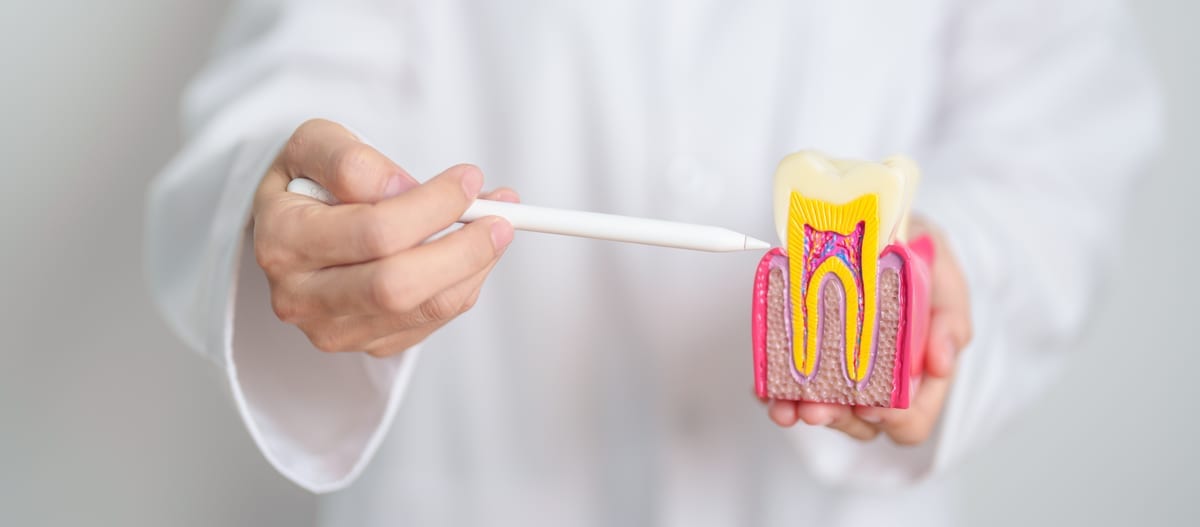
Many Piermont residents avoid the dentist because they fear root canal therapy. The words alone seem to trigger anxiety. But does root canal therapy actually hurt, and what does modern anesthesia really change for patients in Piermont? The honest answer might surprise you. Today’s techniques have transformed this procedure from a dreaded experience into a manageable one.
At Sparkill Dental, Dr. Fanny Shaulov Vainer hears this concern constantly. Patients come in expecting the worst. Understanding what actually happens during treatment helps calm those fears before you even sit in the chair.
The Truth About Root Canal Pain: Then vs. Now in Piermont
Decades ago, root canal therapy had a genuine reputation for discomfort. That reputation stuck around long after the technology improved. The pain patients feared came largely from inadequate numbing options and older techniques. Modern dentistry has changed nearly everything about that experience.
Today, dentists use refined local anesthetics that work faster and last longer. Delivery methods have also improved significantly. Thinner needles and buffered anesthetic solutions mean the injection itself causes far less discomfort. Most patients report feeling only mild pressure during the procedure.
The tooth being treated is often already causing significant pain before treatment begins. That pre-existing infection creates sensitivity and throbbing. Once Dr. Shaulov Vainer administers anesthesia, most patients feel immediate relief from that existing pain. The procedure itself rarely matches what patients feared beforehand.
What Modern Anesthesia Really Changes During Treatment
Local anesthesia completely blocks pain signals from reaching your brain during the procedure. You remain fully awake and aware, but you feel no sharp sensations. This is the core of what modern anesthesia really changes for Piermont patients seeking root canal therapy.
Here is what you can expect to feel during treatment:
- Mild pressure as instruments work inside the tooth
- Occasional vibration from dental tools
- A sense of movement without any pain
- Brief cooling sensations from irrigation solutions
- Numbness spreading into the jaw and cheek area
Dr. Shaulov Vainer monitors comfort levels throughout the appointment. If any sensation feels uncomfortable, additional anesthetic can be applied immediately. You are never expected to push through pain. Communication during the procedure keeps everything manageable.
Some teeth with severe infections require slightly more anesthetic to achieve full numbness. This is normal and expected. Experienced dentists anticipate this and adjust their approach accordingly. Piermont patients at Sparkill Dental receive individualized care from start to finish.
What You Feel After the Procedure: Honest Recovery Expectations
Once the anesthetic wears off, some soreness is normal and expected. This is not the same as the sharp pain many patients fear. Post-procedure discomfort typically feels like a mild ache around the treated tooth. It usually peaks within the first 24 to 48 hours.
Over-the-counter pain relievers manage this discomfort effectively for most patients. Ibuprofen reduces both pain and inflammation, making recovery more comfortable. Dr. Shaulov Vainer provides specific post-care instructions tailored to each patient. Following those instructions makes a significant difference in how quickly you heal.
Most patients return to normal daily activities the next day. Avoiding very hard or crunchy foods helps protect the treated tooth during healing. The soreness typically fades within three to five days. If discomfort worsens or persists beyond a week, contacting your dental team is always the right call.
Benefits of completing root canal therapy rather than delaying include:
- Elimination of the infection causing your original pain
- Preservation of your natural tooth structure
- Prevention of the infection spreading further
- Restoration of normal biting and chewing function
- Avoiding more complex procedures down the road
How Sparkill Dental Makes Root Canal Therapy Comfortable for Piermont Patients
Dr. Fanny Shaulov Vainer takes a patient-centered approach to every procedure. This is especially true for treatments that carry anxiety-inducing reputations. The team at Sparkill Dental prioritizes open communication before and during treatment. Knowing what to expect reduces fear significantly.
Before your procedure begins, Dr. Shaulov Vainer walks you through every step. She explains what you will feel, what you will hear, and how long each phase takes. This preparation helps patients feel in control rather than powerless. Informed patients consistently report better experiences.
The practice also focuses on comfort beyond just numbing. Gentle technique, unhurried appointments, and a calm environment all contribute to a better experience. Piermont patients drive a short distance to Sparkill for good reason. The care they receive here reflects genuine attention to their well-being.
While root canal therapy is not a service Sparkill Dental currently lists, Dr. Shaulov Vainer provides a full range of restorative services. These include Invisalign Testimonials Piermont from real patients who trusted us with their care, and educational resources like Invisalign Videos Piermont to help you understand your treatment options before committing.
Signs You Might Need Root Canal Therapy
Knowing the warning signs helps you seek care before pain becomes severe. Early treatment means the infected area is smaller and easier to address. It also means less post-procedure soreness during recovery. Do not wait until the pain is unbearable.
Common signs that warrant evaluation include:
- Persistent toothache that does not go away on its own
- Sharp pain when biting or applying pressure
- Prolonged sensitivity to hot or cold temperatures
- Darkening or discoloration of a tooth
- Swelling or tenderness in nearby gum tissue
- A small pimple-like bump on the gums near a tooth
These symptoms do not always mean root canal therapy is necessary. Only a proper clinical exam and X-rays confirm the diagnosis. What matters is that you get evaluated promptly. Delaying can allow an infection to spread and complicate treatment.
Sparkill Dental offers comprehensive exams including oral cancer screening as part of routine care. Dr. Shaulov Vainer takes a thorough, whole-mouth approach to every visit. Catching problems early keeps treatment simpler and recovery easier.
Conclusion: Fear Does Not Have to Stop You From Getting Care
Root canal therapy has changed dramatically. The procedure patients feared decades ago bears little resemblance to what modern dentistry delivers. For Piermont residents asking whether root canal therapy actually hurts, the realistic answer is that discomfort is mild and temporary. Modern anesthesia really does change the experience from start to finish. Dr. Fanny Shaulov Vainer and the Sparkill Dental team are here to support you through every step of your dental care journey. Book Now to schedule your appointment with our team.
Frequently Asked Questions
Does root canal therapy actually hurt during the procedure?
Most patients feel only mild pressure and vibration during root canal therapy. Modern local anesthesia blocks pain signals effectively. The majority of discomfort patients associate with root canals comes from the infection before treatment, not the procedure itself.
How long does the soreness last after a root canal?
Post-procedure soreness typically lasts one to three days. Most patients manage it comfortably with over-the-counter anti-inflammatory medication. Discomfort that worsens or extends beyond a week should be evaluated by your dentist.
What does modern anesthesia actually do differently compared to older methods?
Modern anesthetics work faster and last longer than earlier formulas. Buffered solutions reduce the stinging sensation during injection. Thinner needles and improved delivery techniques also make the numbing process far more comfortable than it once was.
Can I drive myself home after a root canal procedure?
Yes, in most cases you can drive yourself home after root canal therapy. Local anesthesia does not affect alertness or coordination the way sedation does. You may want to arrange a ride if you feel anxious or if your jaw feels significantly numb afterward.
When should I call my dentist after a root canal?
Contact your dental team if pain worsens after the first two days, if swelling develops, or if you experience fever. These signs may indicate a complication that needs prompt attention. Sparkill Dental encourages all patients to reach out with any concerns after treatment.

New Patients & Emergency Appointments Welcome