609 Main St, Sparkill, NY 10976

For many people, routine dental cleanings feel easy to postpone.
Life gets busy with work, school schedules, family responsibilities, and daily stress. If your teeth are not hurting, it may seem like delaying a dental cleaning for a few months is not a big deal.
But professional dental cleanings do far more than simply polish your teeth.
Routine preventive visits help remove harmful buildup, identify dental issues early, and protect your long-term oral health before small concerns become larger problems.
At Sparkill Dental, Dr. Fanny Vainer and Dr. Chanan Lerer help patients throughout Sparkill, Piermont, Nyack, Orangeburg, and nearby Rockland County communities maintain healthier smiles through consistent preventive dental care.
Many patients are surprised to learn how much routine cleanings can impact not only their teeth and gums, but also their overall health and confidence.
What Happens During a Routine Dental Cleaning?
Some patients assume dental cleanings are simply cosmetic, but preventive visits involve much more than surface polishing.
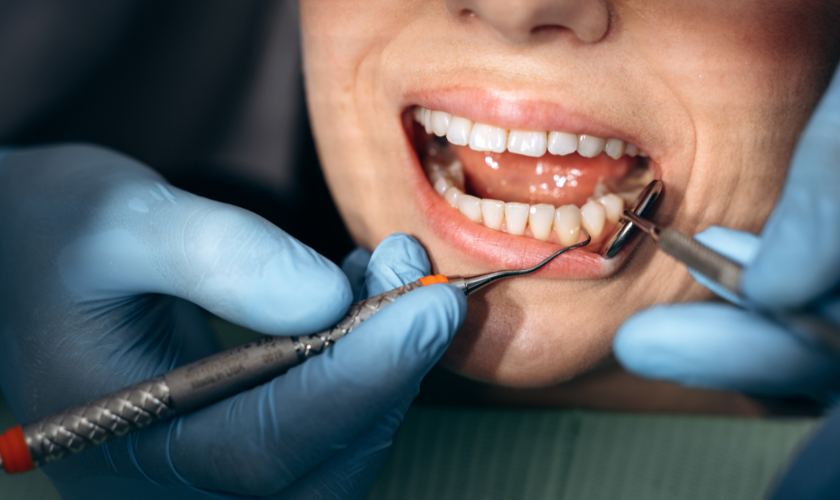
During a professional cleaning, the dental team typically:
- Removes plaque and tartar buildup
- Cleans difficult-to-reach areas
- Polishes the teeth
- Evaluates gum health
- Checks for signs of decay or damage
- Reviews oral hygiene habits
These appointments also allow dentists to identify concerns early before symptoms become more severe.
Even patients who brush and floss regularly can develop buildup in areas that are difficult to clean at home.
Why Brushing and Flossing Alone Aren’t Always Enough
Daily oral hygiene is extremely important, but even strong at-home habits cannot remove hardened tartar once it forms.
Plaque is a sticky bacterial film that develops on teeth throughout the day.
If plaque is not removed consistently, it hardens into tartar.
Unlike plaque, tartar cannot be removed with regular brushing.
Professional dental tools are needed to safely eliminate buildup and reduce the risk of:
- Cavities
- Gum disease
- Bad breath
- Tooth sensitivity
This is one reason preventive cleanings remain essential even for patients with good oral hygiene routines.
The Link Between Routine Cleanings and Gum Health
Gum disease is one of the most common oral health issues adults experience, and it often develops gradually without obvious pain in the beginning.
Early gum disease may cause:
- Redness
- Swelling
- Bleeding while brushing
- Persistent bad breath
Without treatment, gum disease can progress and eventually lead to:
- Gum recession
- Bone loss
- Loose teeth
- Tooth loss
Routine cleanings help remove bacteria and tartar from around the gumline before more serious periodontal problems develop.
Preventive Care Helps Detect Problems Early
One of the biggest benefits of routine dental visits is early detection.
Patients often assume that if they are not experiencing pain, their oral health must be fine.
However, many dental problems develop silently beneath the surface.
Routine exams during cleanings may help identify:
- Small cavities
- Early gum disease
- Cracked teeth
- Worn fillings
- Bite issues
- Signs of grinding or clenching
Catching problems early often means:
- Simpler treatment
- Lower dental costs
- Less discomfort
- Better long-term outcomes
Preventive care is usually far easier than waiting until pain or swelling develops.
Professional Cleanings Can Help Freshen Breath
Persistent bad breath is sometimes caused by bacteria and plaque buildup that regular brushing cannot fully remove.
Professional dental cleanings help eliminate odour-causing bacteria from:
- Teeth surfaces
- Gum pockets
- Hard-to-clean areas
For many patients, routine cleanings help improve both oral health and confidence.
Routine Dental Care and Overall Health
Many people are surprised to learn that oral health and overall health are closely connected.
Research continues to show links between gum disease and health conditions such as:
- Heart disease
- Diabetes
- Inflammation
- Respiratory issues
Maintaining healthy gums and teeth may support overall wellness while reducing harmful oral bacteria.
Preventive dental care is not only about protecting your smile—it may also contribute to better long-term health.
Why Patients Delay Dental Cleanings
Even though preventive care is important, many patients postpone appointments because of:
- Busy schedules
- Dental anxiety
- Financial concerns
- Lack of symptoms
Unfortunately, delaying preventive care often allows small problems to become more serious and more expensive to treat later.
Routine visits usually help patients avoid unexpected dental emergencies.
How Often Should You Get a Dental Cleaning?
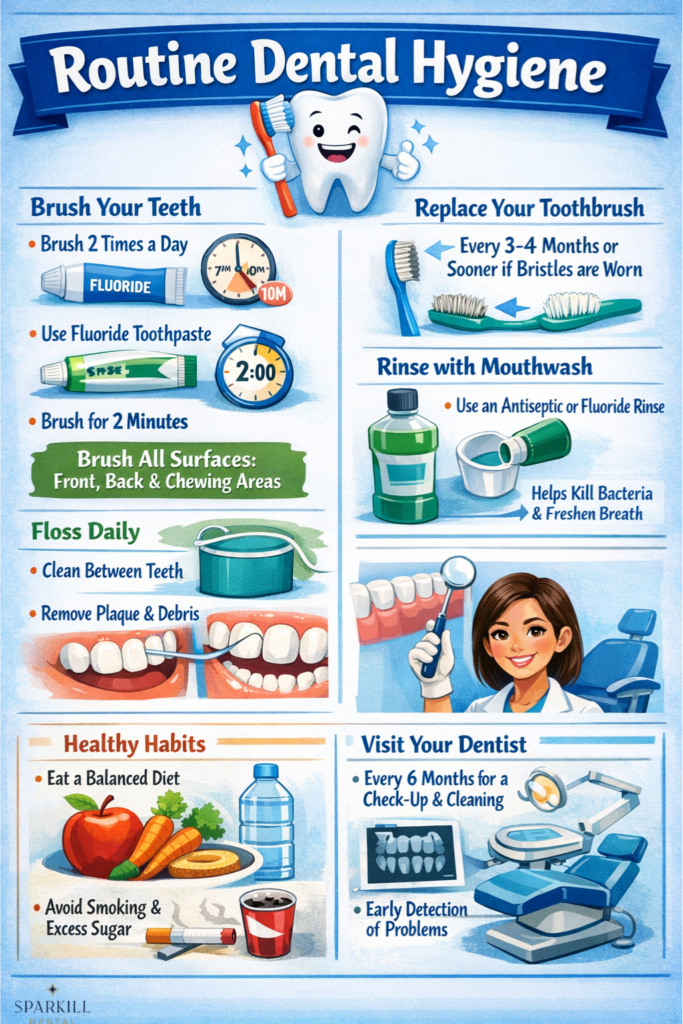
Most patients benefit from professional dental cleanings every six months.
However, some individuals may need more frequent visits depending on:
- Gum disease history
- Cavity risk
- Smoking habits
- Medical conditions
- Orthodontic treatment
Dr. Fanny Vainer and Dr. Chanan Lerer evaluate each patient individually to recommend the most appropriate preventive care schedule.
Signs You May Be Overdue for a Cleaning
Some common signs include:
- Bleeding gums
- Persistent bad breath
- Tooth sensitivity
- Yellow buildup near the gums
- Swollen gums
- A rough feeling on the teeth
Even without symptoms, routine visits remain important because many oral health problems are not immediately visible.
Patients searching for a dentist Sparkill often wait until discomfort appears, but preventive care works best before symptoms begin.
Why Preventive Dental Care Matters for Families in Sparkill
Families throughout Sparkill and nearby communities like Piermont, Nyack, Tappan, and Orangeburg often manage busy daily schedules.
Between work, school, commuting, and activities, preventive dental appointments can sometimes feel easy to delay.
But regular dental cleanings help protect:
- Children’s developing smiles
- Adult oral health
- Long-term dental stability
Routine preventive care often reduces the risk of larger dental procedures later.
What Makes Professional Cleanings Different From At-Home Care?
Home care is essential, but professional cleanings provide deeper preventive treatment.
Dental hygienists use specialised tools to:
- Remove hardened tartar
- Clean below the gumline
- Polish stains
- Monitor oral health changes
These are areas patients cannot fully manage on their own at home.
Professional care and daily oral hygiene work together to maintain healthier smiles.
Why Patients Choose Sparkill Dental
Patients throughout Rockland County trust Sparkill Dental because of its:
- Personalized care
- Preventive approach
- Modern dental technology
- Comfortable patient experience
Dr. Fanny Vainer and Dr. Chanan Lerer focus on helping patients maintain long-term oral health through education, prevention, and compassionate dental care.
Final Thoughts
Routine dental cleanings may seem simple, but they play a major role in protecting your teeth, gums, and overall oral health.
From removing tartar buildup to identifying hidden issues early, preventive dental visits help reduce the risk of larger problems while supporting healthier smiles in the long term.
For patients in Sparkill and nearby communities, regular cleanings are among the easiest and most effective ways to maintain oral health and prevent future dental complications.
Sometimes the best dental treatment is preventing problems before they start.
FAQs
1. Why are routine dental cleanings important?
Professional cleanings help remove plaque and tartar buildup while reducing the risk of cavities, gum disease, and bad breath.
2. How often should I get my teeth cleaned?
Most patients benefit from dental cleanings every six months, although some may require more frequent visits.
3. Can dental cleanings help prevent gum disease?
Yes. Routine cleanings help remove bacteria and tartar that contribute to gum disease and inflammation.
4. Do dental cleanings hurt?
Most cleanings are comfortable, although patients with sensitive gums or heavy buildup may experience mild temporary sensitivity.
5. Why can’t brushing remove tartar?
Once plaque hardens into tartar, it must be professionally removed using specialised dental instruments.

New Patients & Emergency Appointments Welcome