609 Main St, Sparkill, NY 10976



Let’s face it: dental terminology can sometimes sound like a foreign language. Ever sat in the chair nodding along while we throw around words like prophylaxis, occlusion, or endodontics? You’re not alone—and I get it. That’s why I wanted to write this post: to demystify some of the most common dental procedures and help you feel confident and informed about your oral health.
Whether you’re a new patient or someone who’s been seeing a dentist for years, understanding dental procedures is key to making empowered decisions about your care. Let’s break it all down in plain, simple language.
1. Dental Cleaning (a.k.a. Prophylaxis)
Let’s start with the basics. A dental cleaning is what most people get every six months. In dental speak, we call this prophylaxis. It’s a preventive procedure where we remove plaque, tartar, and stains from your teeth to keep your mouth healthy and fresh. This isn’t the same as a deep cleaning—but more on that below!
2. Scaling and Root Planing (Deep Cleaning)
If your gums are inflamed or you’ve been told you have gum disease, you might need a deep cleaning, also known as scaling and root planing. It’s a more thorough cleaning that targets bacteria and buildup below the gum line. Don’t worry—we’ll keep you comfortable throughout the process. This is often the first step in managing periodontal (gum) disease.
3. Fillings
Cavities happen. When tooth decay creates a hole in your tooth, we clean it out and fill it with a material like composite (tooth-colored) resin. That’s a filling. It’s quick, effective, and stops the cavity from getting worse.
4. Crowns
A crown is like a protective cap that covers a damaged or weakened tooth. We usually recommend a crown after a large filling, root canal, or to protect cracked teeth. Think of it as a custom-made helmet for your tooth.
5. Root Canal (Endodontic Therapy)
Cue the dramatic music—but hold on, it’s really not as scary as it sounds! A root canal is a procedure to remove infected or damaged tissue from inside the tooth. It helps save your natural tooth and relieve pain. Thanks to modern techniques, most patients say it feels no worse than getting a regular filling.
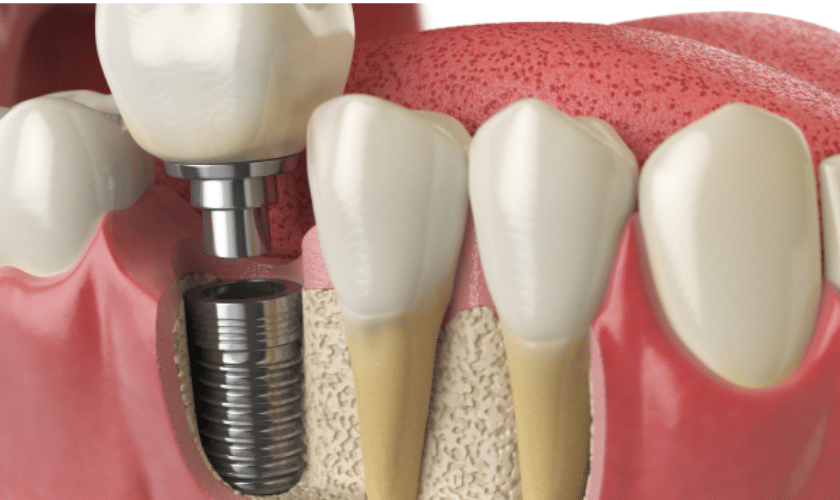
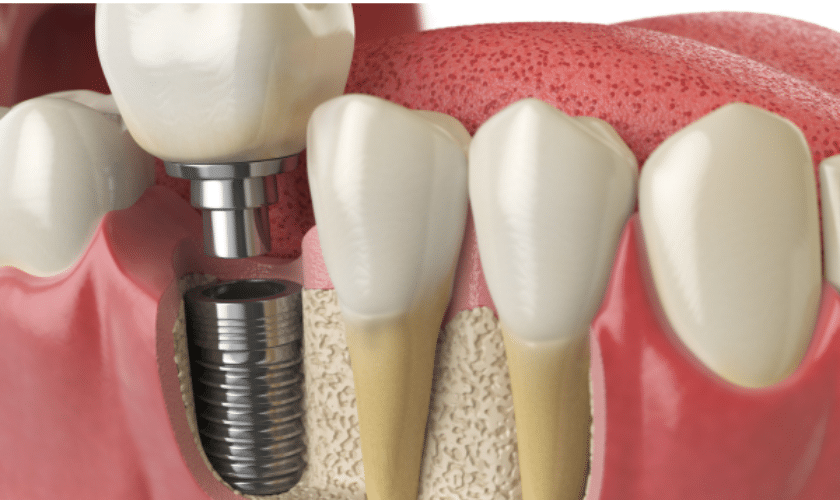
6. Dental Implants
Missing a tooth? A dental implant is a fake tooth root in titanium that we place into your jawbone to support a new tooth (called a crown). It’s a long-lasting, natural-looking solution that feels and functions like your own tooth.
7. Bridges and Dentures
If you’re missing one or more teeth, we can talk about bridges (which anchor to nearby teeth) or dentures (removable appliances). Both help you chew, speak, and smile with confidence.
8. X-rays and Exams
These are the tools we use to see what’s happening below the surface. Dental X-rays help us catch problems early—before they turn into bigger issues. And routine exams are your mouth’s best defense against surprises.
Why Understanding Dental Procedures Matters
When you understand the what, why, and how of dental procedures, you’re better equipped to make choices that keep your mouth healthy—and your smile bright. If you ever feel unsure or overwhelmed by the dental lingo, just ask! My team and I are always here to explain things in a way that makes sense to you.
Final Thoughts: Let’s Keep It Simple
Dental care doesn’t have to be confusing or intimidating. We’re here to guide you through every step and make sure you feel informed and comfortable. Because at the end of the day, our goal is simple: to keep your teeth and gums as healthy as possible.
Got questions about a procedure? Ready to schedule your next visit?
Give us a call—we’d love to hear from you.
From Dr. Vainer, Your Friendly Neighborhood Dentist

New Patients & Emergency Appointments Welcome